
دليل الصحافة الصخرية: كيفية صنع مركزات بدون مذيبات في المنزل

David Martinez
Concentrate Expert
دليل الصحافة الصخرية: كيفية صنع مركزات بدون مذيبات في المنزل
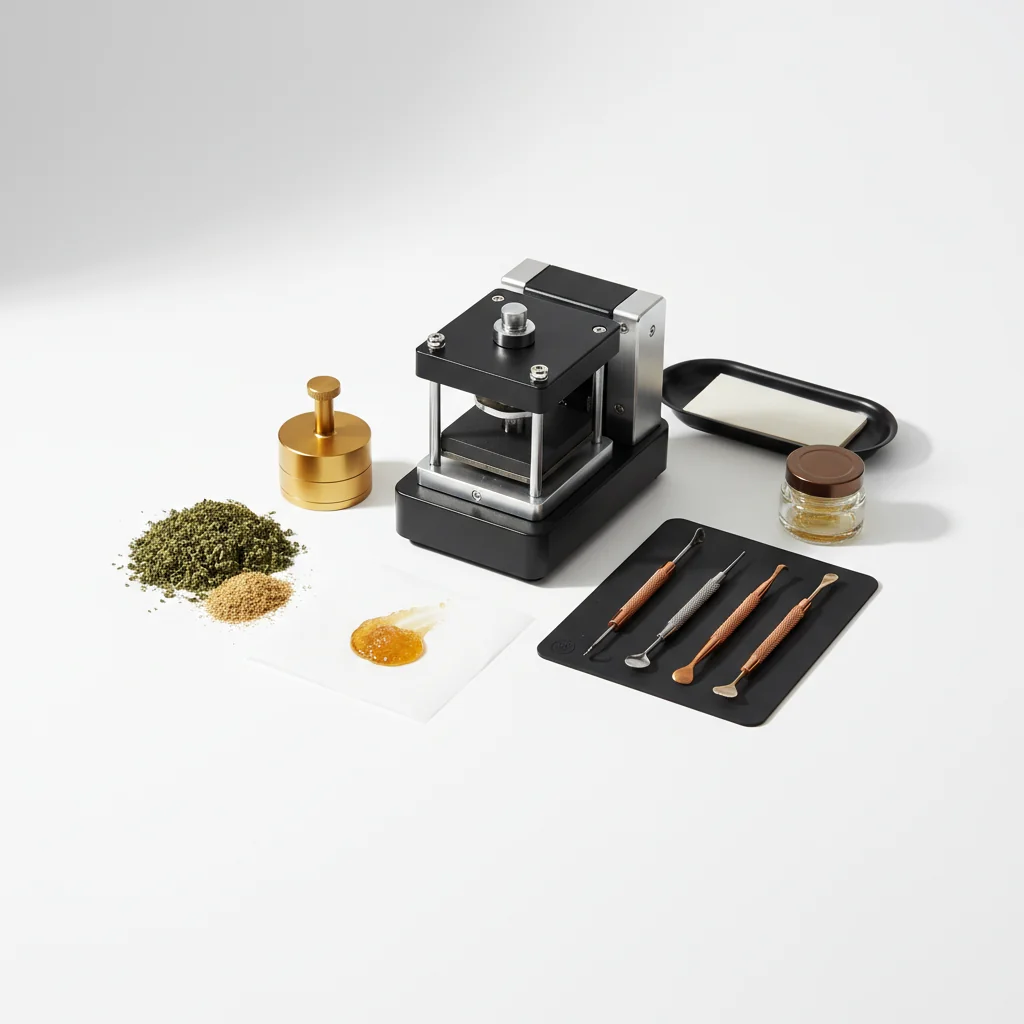
الصنوبري هو أحد أنقى أشكال مركز القنب - مصنوع بدون أي مذيبات ، فقط الحرارة والضغط. على عكس مستخلصات BHO أو CO2 التي تتطلب معدات احترافية ومواد كيميائية يحتمل أن تكون خطرة ، يمكن صنع الصنوبري بأمان في المنزل باستخدام مكبس الصنوبري. يغطي هذا الدليل كل ما تحتاج لمعرفته حول ضغط الصنوبري ، من اختيار المعدات إلى إتقان أسلوبك.
إجابة سريعة
الصنوبري هو مركز قنب بدون مذيبات يتم صنعه عن طريق تطبيق الحرارة والضغط على زهرة القنب أو التجزئة أو الكيف. تستخدم مكبس الصنوبر ألواحًا ساخنة للضغط على الزيت الغني بالتريكو ، مما ينتج مستخلصًا نقيًا غنيًا بالتربين. تعمل إعدادات درجة الحرارة من 180-220 درجة فهرنهايت (82-104 درجة مئوية) بشكل أفضل للزهرة ، مع 90-120 ثانية من وقت الطباعة. تتراوح غلة جودة الصنوبري من 15-25٪ اعتمادًا على مادة البداية.
جدول المحتويات
- ما هو الصنوبري؟
- أنواع مكابس الصنوبر
- اختيار الصحافة
- أساسيات الضغط الصخري
- إعدادات درجة الحرارة والضغط
- أفضل مادة بداية
- دليل الضغط خطوة بخطوة
- تعظيم العوائد
- نصائح للمحترفين
- أسئلة وأجوبة
ما هو الصنوبري؟
الصنوبري هو مركز حشيش بدون مذيبات يتم إنشاؤه من خلال استخراج الحرارة والضغط. على عكس BHO (زيت تجزئة البوتان) أو مستخلصات ثاني أكسيد الكربون ، لا يتطلب الصنوبري مذيبات كيميائية - مما يجعله أحد أنظف المركزات المتاحة.
لماذا الصنوبري خاص
نقية ونظيفة: لا توجد مذيبات متبقية على الإطلاق. ما يدخل يخرج.
الطيف الكامل: يحافظ على التربينات والقنب الصغير عند الضغط عليه في درجات حرارة مناسبة.
صديقة DIY: على عكس المركزات الأخرى ، يمكن صنع الصنوبري بأمان في المنزل.
الاستخدام الفوري: لا يلزم التطهير أو المعالجة اللاحقة - اضغط وربت.
الصنوبري مقابل المركزات الأخرى
أنواع الصنوبر
زهرة الصنوبري: مضغوط مباشرة من براعم القنب. الأكثر سهولة في المكابس المنزلية.
هاش روزين: مضغوط من تجزئة الفقاعة أو المنخل الجاف. جودة أعلى، نتائج أنظف.
الصنوبري الحية: مضغوط من تجزئة مجمدة. منتج ممتاز، الحد الأقصى من التربين.
أنواع مكابس الصنوبر
طريقة فرد الشعر
نهج المبتدئين:
- استخدم مكواة مسطحة عالية الجودة
- الضغط اليدوي
- غلات صغيرة جدا
- جيد لاختبار المفهوم
قيود: درجة حرارة غير متسقة ، ضغط محدود ، عوائد صغيرة
مكابس كرنك يدوية/ يدوية
مطابع مخصصة للمبتدئين:
- آلية رافعة أو لف
- تحكم في درجة الحرارة أفضل من مصففات الشعر
- ميسورة (200-500 دولار)
- نتائج أكثر اتساقًا
أفضل: الاستخدام المنزلي غير الرسمي ، دفعات صغيرة
مكابس هوائية
جودة احترافية متوسطة المدى:
- ضغط الهواء
- قوة ثابتة وقابلة للتعديل
- عملية أكثر هدوءًا
- نطاق 500-2000 دولار
أفضل: هواة جادون ، إعلان تجاري صغير
مكابس هيدروليكية
استخراج قسط:
- قدرة الضغط القصوى
- نتائج الصف المهني
- 1000-5000 دولار +
- متجر الصحافة التحويلات ممكن
أفضل: استخدامات احترافية كبيرة الحجم
اعتبارات حجم اللوحة
اختيار الصحافة
اعتبارات الميزانية
مستوى الدخول (200-400 دولار):
- مناسبة للاستخدام الشخصي
- 2-3 طن ضغط
- أطباق أصغر
- عملية يدوية
متوسط المدى (400-1000 دولار):
- تحكم أفضل في درجة الحرارة
- 4-10 طن ضغط
- خيارات هوائية متوفرة
- نتائج أكثر اتساقًا
قسط (1000 دولار +):
- جودة احترافية
- خيارات الضغط القصوى
- الضوابط الرقمية
- سعة دفعة أكبر
الميزات الرئيسية للبحث عنها
1. حتى التدفئة: يجب أن تسخن اللوحان بشكل موحد
2. التحكم في درجة الحرارة: شاشة رقمية ، مستشعرات دقيقة
3. قدرة الضغط: 4 طن كحد أدنى لضغط الزهور
4. مادة اللوح: الألومنيوم من الدرجة الغذائية أو الفولاذ المقاوم للصدأ
5. جودة البناء: إطار قوي ومكونات موثوقة
الماركات الصحافية الشعبية
- ربس
- وردة
- Nugsmasher
- ضغط خالص
- ساسكة
أساسيات الضغط الصخري
العلم
يعمل الصنوبري بتسخين مادة القنب حتى تصبح الترايكومبيات (التي تحتوي على القنب والتربينات) سائلة بدرجة كافية لتتدفق تحت الضغط. الهدف هو:
- تذوب رؤوس trichome
- اعصر الزيت من خلال المواد النباتية
- جمع على ورق الزبدة
ما يؤثر على الجودة
مادة البداية: القمامة في الداخل ، إخراج القمامة. جودة الزهرة أو التجزئة تنتج الصنوبر عالي الجودة.
درجبورى: درجة حرارة أعلى = إنتاجية أكبر ولكن نكهة أقل. درجة حرارة أقل = عائد أقل ولكن المزيد من التربينات.
ضغط: ضغط ثابت ومتساوٍ دون نفخ الأكياس أو تكسير المواد النباتية.
توقيت: يترك الزيت خلفه قصيرًا جدًا ؛ يتدهور جودة المنتج لفترة طويلة.
إعدادات درجة الحرارة والضغط
إرشادات درجة الحرارة
منخفض وبطيء (160-190 درجة فهرنهايت / 71-88 درجة مئوية):
- الحد الأقصى لحفظ التربين
- انخفاض الغلة (10-15٪)
- لون أفتح، اتساق ناشف
- الأفضل ل: هاش هاش روزين
متوسط (190-220 درجة فهرنهايت / 88-104 درجة مئوية):
- نكهة متوازنة و غلة
- غلات معتدلة (15-22٪)
- احتفاظ تيربين جيد
- الأفضل لـ: معظم ضغط الزهور
حار وسريع (220-250 درجة فهرنهايت / 104-121 درجة مئوية):
- الحد الأقصى للغلة (20-25٪ +)
- المزيد من التربينات المتدهورة
- لون أغمق ، أكثر استقرارًا
- الأفضل ل: المواد القديمة، أقصى استخلاص
إرشادات الضغط
زهرة: 500-1500 رطل لكل بوصة مربعة في الحقيبة
هاش / كيف: 300-800 رطل (أقل)
هاش فقاعة: ضغط لطيف جدا
إرشادات الوقت
أفضل مادة بداية
متطلبات الزهور
ما الذي تبحث عنه:
- طازجة، معالجة بشكل صحيح (62% رطوبة)
- Trichomes مرئية
- براعم راتنجية كثيفة
- لا يوجد عفن أو تلوث
الخصائص المثالية:
- تحصد في ذروة النضج
- 2-4 أسابيع الشفاء
- تخزينها بشكل صحيح
- سلالات عالية من الراتنج
أفضل سلالات الصنوبر(راتنج عالي):
- غراء الغوريلا
- البابايا
- أصناف كيم
- أصناف خاصة بالورد
متطلبات التجزئة
هاش فقاعة:
- تذوب كامل (5-6 نجوم) ينتج أفضل النتائج
- 73-120 ميكرون أفضل عادة
- مجفف ومعالج بشكل صحيح
- خالية من التلوث
غربل:
- جودة عالية فقط
- الحد الأدنى من تلوث النبات
- العمر بشكل صحيح
محتوى الرطوبة مهم
جاف جدا: سوء التدفق ، انخفاض الغلة ، لون فاتح
رطب جدا: زيت أزيز ، زيت ملوث ، لون غامق
فقط الحق: ~ 55-62٪ رطوبة نسبية ، يتدفق نظيفة ، عوائد جيدة
أعد ترطيب المواد الجافة مع عبوة رطوبة لمدة 24-48 ساعة قبل الضغط.
دليل الضغط خطوة بخطوة
المعدات اللازمة
- الصحافة الصحافة
- ورق زبدة (غير مبيض ، درجة طعام)
- أكياس الصنوبر (اختياري ولكن موصى به للزهور)
- أداة جمع
- قالب ما قبل الضغط (اختياري)
- عداد
- قفازات
زهرة الضغط
الخطوة 1: تحضير المواد
- ابدأ بـ 3-7 جرام من الزهرة المعالجة بشكل صحيح
- كسر في قطع صغيرة (لا تطحن)
- تحميل في كيس الصنوبر (90-120 ميكرون للزهور)
- اضغط على عفريت مسطح إذا كنت تستخدم العفن
الخطوة 2: إعداد الصحافة
- قطع الرق إلى الحجم (أكبر من الألواح)
- طي الرق ، ضع الكيس في المنتصف
- ضبط درجة الحرارة (تبدأ من 200 درجة فهرنهايت)
- السماح للألواح بالاستقرار
الخطوة 3: اضغط
- ضع الرق / الحقيبة بين الألواح
- تطبيق ضغط خفيف في البداية (30-45 ثانية الإحماء)
- تزداد تدريجياً إلى الضغط الكامل
- راقب تدفق الزيت إلى الحواف
- إجمالي وقت النشر: 90-120 ثانية
الخطوة 4: جمع
- إزالة البرشمان على الفور
- اتركه يبرد قليلاً (30 ثانية)
- استخدم أداة التجميع لجمع الصنوبر
- تخزين على ورق طازج في مكان بارد
الضغط على هاش روزين
الاختلافات الرئيسية:
- استخدم 25-37 ميكرون أكياس
- درجة حرارة منخفضة (160-190 درجة فهرنهايت)
- ضغط أقل بكثير
- وقت الصحافة أقصر
- مواد أكثر قيمة - كن حذرًا!
تعظيم العوائد
نصائح قبل الصحافة
- الرطوبة أمر بالغ الأهمية: 55-62٪ رطوبة نسبية للزهرة
- قوالب ما قبل الضغط: إنشاء كرات موحدة للاستخراج
- اختيار الحقيبة: تطابق حجم ميكرون مع المواد
- استقرار درجة الحرارة: انتظر حرارة ثابتة
أثناء الضغط
- ضغط تدريجي: لا تحطم - زيادة ببطء
- مشاهدة التدفق: توقف عندما يتباطأ التدفق بشكل كبير
- وضع اللوح: مركز المواد على اللوحات
- دفعات متسقة: نفس الحجم / الوزن للتنبؤ
ساعي البريد
- اجمع بسرعة: روزين الدافئ يجمع أسهل
- فيما يتعلق ب -مادة الصحافة: "الضغط الثاني" عند درجة حرارة أعلى يستعيد بعض الزيت
- التخزين المناسب: بارد ، مظلم ، محكم الإغلاق
العوائد المتوقعة
زهرة الصنوبري: 15-25٪ العائد جيد
هاش روزين: 60-85٪ عائد من جودة التجزئة
كيف روسين: 40-60٪ العائد النموذجي
تعتمد العائدات بشكل كبير على جودة المواد الأولية
نصائح للمحترفين
1. مادة راتنجية طازجةأهم من جودة الصحافة
2. درجة حرارة منخفضة = المزيد من التربيناتحتى لو انخفض الغلة
3. قوالب ما قبل الضغطتحسين الاتساق بشكل كبير
4. قنينة تيك(الطي الاتجاهي) يحسن أنماط التدفق
5. دع اللوحات تستقر5-10 دقائق قبل الضغط
6. حزم الرطوبةيمكن أن يوفر المواد الجافة بشكل مفرط
7. الاحتفاظ بالسجلاتدرجة الحرارة/الوقت/العائد لكل سلالة
8. الصحافة الثانية عند +20 درجة فهرنهايتيستعيد نفط إضافي
9. علاج البردفي وعاء محكم الغلق لتحسين الملمس
10.حقائب عالية الجودة تستحق العناء- أكياس رخيصة تنفجر
أسئلة وأجوبة
كم من الصنوبري يمكنني صنعه من أونصة زهرة؟
مع مواد عالية الجودة وتقنية جيدة ، توقع 4-7 جرامات من صنوبر الزهرة من أونصة (14-25٪ محصول). ينتج عن هاش روزين نسبًا أعلى بكثير من المواد الأقل.
هل أحتاج أكياس الصنوبر؟
لضغط الزهور ، نعم - ترشح الأكياس المواد النباتية. للضغط على التجزئة ، الأكياس ضرورية. يمكنك الضغط بدون أكياس ولكن الصنوبري سيحتوي على تلوث النبات.
ما هي أفضل درجة حرارة للورد؟
بالنسبة لمعظم الزهور: 190-210 درجة فهرنهايت (88-99 درجة مئوية) موازين المحصول والجودة. يجب ضغط التجزئة على المبرد عند 160-190 درجة فهرنهايت. تجربة للعثور على ما تفضله.
لماذا صنوبري مظلمة؟
يمكن أن ينتج الصنوبري الداكن عن: درجة حرارة الضغط العالية ، المواد القديمة / المتدهورة ، الكثير من الضغط ، أو مشاكل الرطوبة. تنتج درجات الحرارة المنخفضة والمواد الطازجة صنوبر أخف.
هل يمكنني تدخين الصنوبري مثل الشمع العادي؟
نعم! يستهلك الصنوبري مثل المركزات الأخرى -غارقة على منصة، أو تستخدم في المبخر ، أو تضاف إلى الزهرة. جاهز للاستخدام فورًا بعد الضغط.
هل يستحق مكبس مكواة فرد الشعر المحاولة؟
كدليل على المفهوم ، نعم. للاستخدام المنتظم ، لا. لا. الصحافة المناسبة هي استثمار مفيد للأجهزة الضاغطة العادية.
ما هي مدة بقاء الصنوبر؟
مخزنة بشكل صحيح (بارد ، داكن ، محكم الإغلاق) ، الصنوبري يدوم 6-12 شهرًا. قد يغير نسيجه بمرور الوقت (يرتفع أو يصبح أكثر استقرارًا) ولكنه يظل قابلاً للاستخدام.
لماذا لا يخرج أي شيء؟
الأسباب الشائعة: المواد جافة جدًا ، ودرجة الحرارة منخفضة جدًا ، ولا ضغط كافٍ ، أو مواد بداية ذات جودة رديئة ، أو أكياس ضيقة جدًا. اضبط المتغيرات واحدة تلو الأخرى.
ختام
يعد ضغط الصنوبري أحد أكثر الطرق مكافأة لإنشاء مركزات القنب في المنزل. مع عدم وجود مذيبات ومعدات بسيطة نسبيًا ، يمكنك إنتاج مركزات نظيفة وقوية وغنية بالتيربين والتي تنافس المنتجات التجارية.
يأتي النجاح من مواد البداية عالية الجودة وإعدادات درجة الحرارة والضغط المناسبة والاهتمام بالتفاصيل. ابدأ بزهرة جيدة ، واطلب أسلوبك ، واحتفظ بسجلات لما يصلح. مع الممارسة ، ستضغط على صنوبري بجودة المستوصف في منزلك.
لمعرفة المزيد عن المركزات، استكشفدليل أنواع مركزات القنبأو تعرف علىكيف تأخذ دابللاستمتاع بزيت الصنوبر الطازج.
Frequently Asked Questions
مع جودة المواد والتقنيات ، توقع 4-7 جرام من صنوبر الزهرة من أونصة (14-25٪ محصول). ينتج عن هاش روزين نسبًا أعلى بكثير.
Related Guides
Bubble Hash: How to Make Ice Water Hash at Home
Complete guide to making bubble hash at home: equipment needed, choosing starting material, the full extraction process, grading hash quality, proper drying, and how to use bubble hash.
Carb Cap Types: Directional, Bubble, and Spinner Caps
Comprehensive guide about carb cap types: directional, bubble, and spinner caps. Learn everything you need to know with expert tips and detailed instructions.

Carb Caps Explained: Types, Uses, and Why You Need One
Complete guide to carb caps for dabbing. Learn how carb caps work, different types (directional, bubble, spinner), and why they're essential for low-temp dabs.