

كيفية استخدام بونغ: دليل المبتدئين الكامل

Emma Chen
Glass Specialist
كيفية استخدام بونغ: دليل المبتدئين الكامل
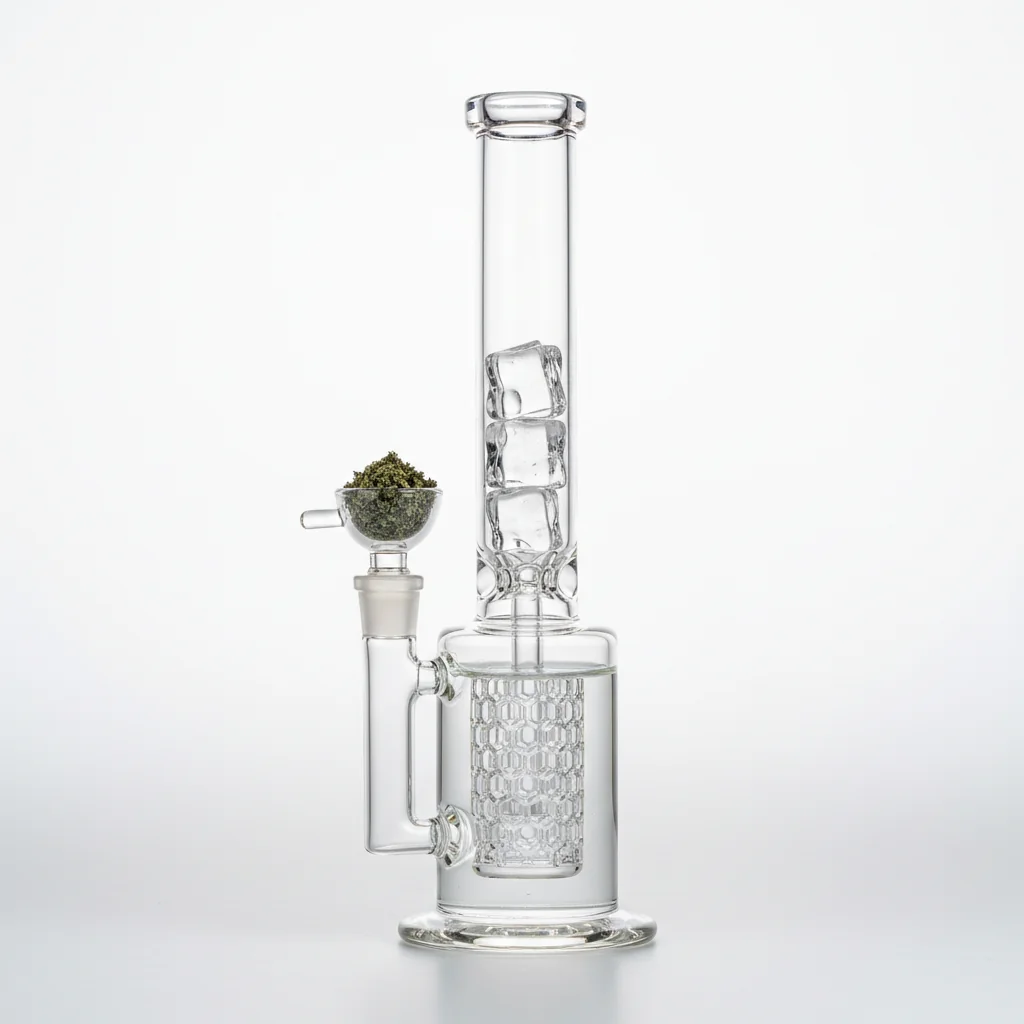
يمكن أن يشعر استخدام بونغ لأول مرة بالترهيب - هناك مياه متضمنة وقطع متعددة وتقنية للتعلم. لكن البونجات هي في الواقع واحدة من أكثر الطرق سلاسة لاستهلاك الحشيش بمجرد فهم الأساسيات. ستحتاج إلى جودة[ طاحونة] (https://munchmakers.com/product-category/custom-grinders/) لإعداد القنب بشكل صحيح. يغطي هذا الدليل كل ما يحتاج المبتدئين إلى معرفته ، من مستويات المياه إلى تقنيات التطهير.
إجابة سريعة
لاستخدام بونغ: املأ بالماء حتى يتم غمر الجذع السفلي بمقدار بوصة واحدة ، وحزم الوعاء بالقنب المطحون ، وامسك البونغ بإحكام ، وضع الشفاه داخل لسان الفم ، وأشعل زاوية الوعاء أثناء الاستنشاق ببطء ، وشاهد الدخان يملأ الغرفة ، ثم أزل الوعاء واستنشق بحدة لتنظيفه. ابدأ بضربات صغيرة.
ما هو بونغ ولماذا تستخدم واحد؟
يقوم بونغ (يسمى أيضًا أنبوب الماء) بتصفية الدخان عبر الماء قبل استنشاقه. كما لاحظت من قبلإرشادات القنب في وزارة الصحة الكندية، يمكن أن يوفر ترشيح المياه تجربة أكثر سلاسة. الماء:
- يبرد الدخان- أقل قسوة بكثير من المفاصل أو الأنابيب
- تصفية الجسيمات- يزيل بعض الرماد والجسيمات الأكبر
- يوفر ضربات أكثر سلاسة- أسهل على حلقك ورئتك
- يسلم ضربات فعالة- المزيد من الدخان لكل استنشاق
من يجب أن يستخدم بونغس:
- الناس الذين يجدون المفاصل قاسية
- أولئك الذين يريدون تجربة أكثر سلاسة
- المستخدمون المنزليون (أقل قابلية للنقل)
- أي شخص يريد ضربات أكبر
من قد يفضل البدائل:
- المبتدئين الذين يريدون ضربات أصغر (الأنابيب أفضل)
- الأشخاص الذين يحتاجون إلى قابلية النقل (المفاصل ، الـ vapes)
- تلك الموجودة في المساحات المشتركة (الرائحة أقوى)
أجزاء من بونغ (اعرف قبل أن تبدأ)
يساعدك فهم تشريح بونغ على استخدامه بشكل صحيح:
المكونات الرئيسية:
- أنبوب/غرفة- الجسم الرئيسي حيث يتجمع الدخان
- بنى على أساس- الجزء السفلي الذي يضم الماء
- قاطع طريق- أين تضع شفتيك (الفتحة العلوية)
- أسفل الجذع- أنبوب يدخل الماء (قد يكون قابلاً للإزالة أو ثابتًا)
- كرة خشبية- حيث تحزم القنب (عادة ما تكون قابلة للإزالة)
- ثقب الكربوهيدرات- ثقب هواء على الجانب (بعض البونج لديها هذا ، والبعض لا)
وعاء مقابل الكربوهيدرات:
- وعاء قابل للإزالة: اسحب الوعاء للخارج لإزالة الدخان
- ثقب الكربوهيدرات: غطاء ثقب أثناء الاستنشاق ، تحرير لمسح
تستخدم معظم البونجات الحديثة أوعية قابلة للإزالة. سنغطي كلا الطريقتين.
الخطوة 1: أضف الكمية المناسبة من الماء
مستوى المياه أمر بالغ الأهمية. قليل جدًا = ضربات قاسية وغير مصفاة. الكثير = رش الماء في فمك.
المستوى الصحيح:
- غمر الجذع السفلي بحوالي1 بوصة (2-3 سم)
- يجب أن تغطي المياه جميع الشقوق / الثقوب الموجودة في أسفل الجذع
- اختبار عن طريق الاستنشاق بدون إضاءة - يجب أن تتشكل الفقاعات
كيفية الاختبار:
1. أضف الماء من خلال لسان حال
2. ضعي في أسفل الجذعية والوعاء (فارغ)
3. يستنشق بلطف
4. راقب الفقاعات - يجب أن تراها
5. لا ينبغي أن يتناثر الماء على شفتيك
الضبط:
- الماء يصل الشفاه؟ صب بعض
- لا فقاعات؟ أضف المزيد من الماء
- ضربات قاسية؟ ربما لا يكفي الماء
نصيحة للمحترفين: استخدم الماء البارد للحصول على أبرد وأكثر سلاسة. يضيف البعضجليدالمكعبات إذا كان البونج يحتوي على ماسك ثلج (قسم مقروص في الأنبوب).
الخطوة 2: طحن وتعبئة الوعاء
تؤثر التعبئة المناسبة على تدفق الهواء والحرق وضرب الجودة.
طحن:
- استخدم مطحنة للحصول على نتائج متسقة
- طحن متوسط هو الأفضل (وليس مسحوق وليس مكتنزة)
- غرامة جدا = قباقيب، يقيد تدفق الهواء
- مكتنزة جدا = تحترق بشكل غير متساو
تقنية التعبئة:
1. أخرج الوعاء من البونغ
2 أضف كمية صغيرة من القنب المطحون
3. الطبقة السفلية: حزمة فضفاضة لتدفق الهواء
4. الطبقة العليا: شدة قليلا ولكن غير مضغوط
5. لا تفرط في الملء - اترك مساحة للهواء
للمبتدئين:
- ابدأ بـمبلغ قليل(1/4 إلى 1/2 وعاء)
- يمكنك دائمًا حزم المزيد
- أوعية كاملة = ضربات كبيرة (يحتمل أن تكون أكثر من اللازم)
شاشة اختيارية: يستخدم البعض شاشات معدنية صغيرة لمنع القطع الصغيرة من السقوط. ليس ضروريًا ولكنه مفيد.
الخطوة 3: امسك البونج بشكل صحيح
قبضة آمنة تمنع الحوادث. يمكن أن تكون Bongs ثقيلة ومربكة.
قبضة أساسية:
- يد غير مسيطرة: قبضة عنق بونغ بإحكام أو قاعدة إذا كانت صغيرة
- اليد المهيمنة: حر في حمل ولاعة
- اجلس أو قف بثبات
إذا كان بونغ الخاص بك لديه الكربوهيدرات:
- ضع إبهامك أو إصبعك فوق ثقب الكربوهيدرات
- ستطلقه لاحقًا لمسحه
نصائح الاستقرار:
- ضع بونغ على سطح مستو إن أمكن
- يفضل البعض الجلوس مع بونغ على الطاولة
- لا تمسك بونغ فقط بجوار الوعاء
الخطوة 4: الضوء والاستنشاق (التقنية)
هذا هو المكان الذي يكافح فيه المبتدئون في كثير من الأحيان. اذهب ببطء - إنه ليس سباقًا.
التمركز:
1. ضع الشفاهداخليلسان حال (ليس حوله)
2 إنشاء ختم محكم
3. إذا كان الكربوهيدرات: قم بتغطية ثقب الكربوهيدرات الآن
الإضاءة (الزاوية):
بدلا من حرق الوعاء كلهركنهو:
- أضيء حافة / زاوية واحدة فقط من الوعاء
- هذا يحافظ على اللون الأخضر الطازج لعدة مرات
- مهم بشكل خاص عند المشاركة
الاستنشاق:
1. ابدأ بالاستنشاقببطءوبثبات
2. ضع اللهب على زاوية الوعاء
3. مشاهدة الدخان يملأ الغرفة
4. لا تستنشق بشدة- سحب لطيف ومتسق
5. يجب أن يتدفق الماء بشكل مطرد وليس بعنف
كم دخان:
- المبتدئين: ملء الغرفة 1/3 إلى 1/2 ممتلئة
- اترك الأخف وزناً بمجرد إضاءة الوعاء (سيستمر في الاحتراق)
- تحكم في مقدار الدخان من خلال مدة الاستنشاق
الخطوة 5: مسح الغرفة
"التطهير" يعني استنشاق كل الدخان من الغرفة. هذا هو المكان الذي تحصل فيه على الضربة الفعلية.
لبونجات الوعاء القابلة للإزالة:
1. بمجرد أن تكون الغرفة تريد كمية الدخان
2 توقف عن الاستنشاق للحظات
3. أخرج الوعاء من أسفل الجذع
4. يستنشق بحدة لسحب كل الدخان إلى الرئتين
5. استبدل الوعاء
للكربوهيدات:
1. بمجرد أن تكون الغرفة تريد كمية الدخان
2. حرر الإصبع من ثقب الكربوهيدرات
3. يستنشق بحدة لتنظيف الغرفة
4. تغطية الكربوهيدرات للضربة التالية
نصائح المقاصة:
- خذ نفسا من الهواء النقي بعد تطهيره إذا لزم الأمر
- لا تشعر أنه يجب عليك مسح غرفة ضخمة
- دخان قديم (يجلس طويلًا جدًا) طعمه سيئ - واضح على الفور
- إذا كنت لا تستطيع التنظيف ، ازفر وحاول مرة أخرى بدخان أقل
أخطاء المبتدئين الشائعة
الخطأ 1: الكثير من الماء
- الأعراض: رش الماء في الفم
- الإصلاح: صب حتى غمر أسفل الجذع 1 بوصة فقط
الخطأ الثاني: الاستنشاق بشدة
- الأعراض: فقاعات ماء بعنف، دخان قاسي، سعال
- الإصلاح: بطيء ، لطيف ، يستنشق ثابتًا
الخطأ 3: عدم التخليص
- الأعراض: دخان قاسي، قاسي
- الإصلاح: دائمًا ما يكون الغرفة مسحًا تمامًا
الخطأ 4: وعاء التعبئة
- الأعراض: تقييد تدفق الهواء، حرق متفاوت
- الإصلاح: حزم فضفاضة، خاصة الطبقة السفلية
الخطأ الخامس: حرق الوعاء بالكامل
- الأعراض: حروق كل شيء في آن واحد، فضلات القنب
- الإصلاح: زاوية الوعاء - أضيء حافة واحدة فقط
الخطأ 6: الشفاه حول (ليس في) لسان حال
- الأعراض: ختم ضعيف ، فقدان الدخان
- الإصلاح: الشفاه تدخل قليلاً داخل الفتحة
جعل الضربات أكثر سلاسة
إذا كانت الضربات قاسية جدًا ، جرب ما يلي:
ماء بارد: أبرد = أكثر سلاسة. استخدم الماء البارد في الثلاجة.
الثلج (إذا كان متوافقًا): بعض البونجات لديها ماسكات ثلج. أضف مكعبات الثلج إلى الأنبوب للحصول على تبريد إضافي.
يضرب أصغر: ملء الغرفة أقل. الضربات الأصغر أسهل.
مياه عذبة: تغيير الماء بانتظام. الماء القديم = طعم قديم.
نظف بونغ الخاص بك: تراكم الراتنج يجعل الضربات أكثر قسوة. نظف أسبوعيًا إذا كنت تستخدم يوميًا.
عبوة مناسبة: حزمة فضفاضة تسمح بتدفق هواء أفضل.
بعد ضربتك
الزفير:
- لا تمسك الدخان لفترات طويلة (لا يزيد من التأثيرات ، فقط تهيج)
- 2-3 ثوان كثيرة
- زفير بالكامل
بين الضربات:
- انتظر بضع دقائق لتقييم الآثار قبل أخذ المزيد
- يمكن أن تكون ضربات بونغ أقوى مما كان متوقعا
- ابق رطبًا - جفاف الفم شائع
السعال:
- عادي جدا خاصة للمبتدئين
- لديك ماء قريب
- ضربات أصغر = سعال أقل
- يصبح الأمر أسهل مع الخبرة
أساسيات صيانة بونغ
تغيير الماء:
- من الناحية المثالية: كل جلسة
- الحد الأدنى: كل جلسات قليلة
- علامات للتغيير: بقايا غائمة ، كريهة الرائحة ، تطفو على شكل بقايا
نظف بانتظام:
- تنظيف سريع: اشطف بالماء الساخن
- تنظيف عميق: كحول الأيزوبروبيل + ملح خشن، رج، شطف
- التردد: أسبوعي للمستخدمين اليوميين
لا:
- اترك الماء جالسا لأيام (تنمو البكتيريا)
- دع الراتنج يتراكم بشكل مفرط
- استخدم مواد كيميائية قاسية يمكن أن تترك بقايا
استكشاف الأخطاء وإصلاحها
المشكلة: الضربات قاسية للغاية
- إضافة المزيد من الماء (تحقق من تغطية أسفل الجذع)
- استخدم الماء البارد
- خذ ضربات أصغر
- نظف بونغ الخاص بك
المشكلة: لا يمكن تكوين الدخان
- قد يكون الوعاء معبأة بإحكام شديد
- تحقق من وجود قباقيب في أسفل الجذع
- تأكد من أن الوعاء مثبت بشكل صحيح
المشكلة: الماء يصل إلى الفم
- الكثير من الماء - صب بعضها
- الشهيق صعب جدا - اذهب ألطف
المشكلة: الوعاء لن يبقى مضاءً
- قم بحزم أكثر صلابة قليلاً في الأعلى
- تحقق من الرياح
- قد يكون القنب رطبًا جدًا
بونغ مقابل طرق أخرى
اختر بونغ عندما:أنت في المنزل ، تريد ضربات سلسة ، لا تمانع في الإعداد.
نصائح نهائية للمبتدئين
1. ابدأ صغيرًا- ربع وعاء، نصف غرفة
2. تباطأ- يستنشق لطيف، لا تتعجل
3. ابق جالسًا- حتى تعرف كيف يؤثر عليك
4. جهز الماء- ربما تسعل
5. مياه عذبة- يصنع فرقا ملحوظا
6. نظف بانتظام- يمنع التراكم والضربات القاسية
7. لا تشاركوا القوامعندما مريض
هذا الدليل للأغراض التعليمية. تختلف قوانين القنب حسب الولاية القضائية.
Step 1:
Step 2:
Step 3:
Step 4:
Step 5:
Frequently Asked Questions
يكفي لغمر الجذع السفلي بحوالي 1 بوصة (2-3 سم). اختبر عن طريق الاستنشاق بدون إضاءة - يجب أن تحصل على فقاعات دون تناثر الماء. إذا وصل الماء إلى شفتيك ، اسكب بعضًا منه.
Related Guides
Ash Catcher Guide: Keep Your Bong Clean Longer
Complete guide to ash catchers for bongs: what they do, types including dry and percolator ash catchers, joint sizes and angles, how to use and clean them, and how to choose the right one.

Ash Catchers: What They Do and Why Use One
Learn what ash catchers do, how they keep your bong clean, and whether you need one. Understand different types, how to choose the right size, and maintenance tips.
Beaker vs Straight Tube Bongs: Which Style is Better?
Comprehensive guide about beaker vs straight tube bongs: which style is better?. Learn everything you need to know with expert tips and detailed instructions.