

كيفية إصلاح مفصل التجديف: منع وإصلاح الحرق غير المتكافئ

Mike Rodriguez
Rolling Expert
كيفية إصلاح مفصل التجديف: منع وإصلاح الحرق غير المتكافئ
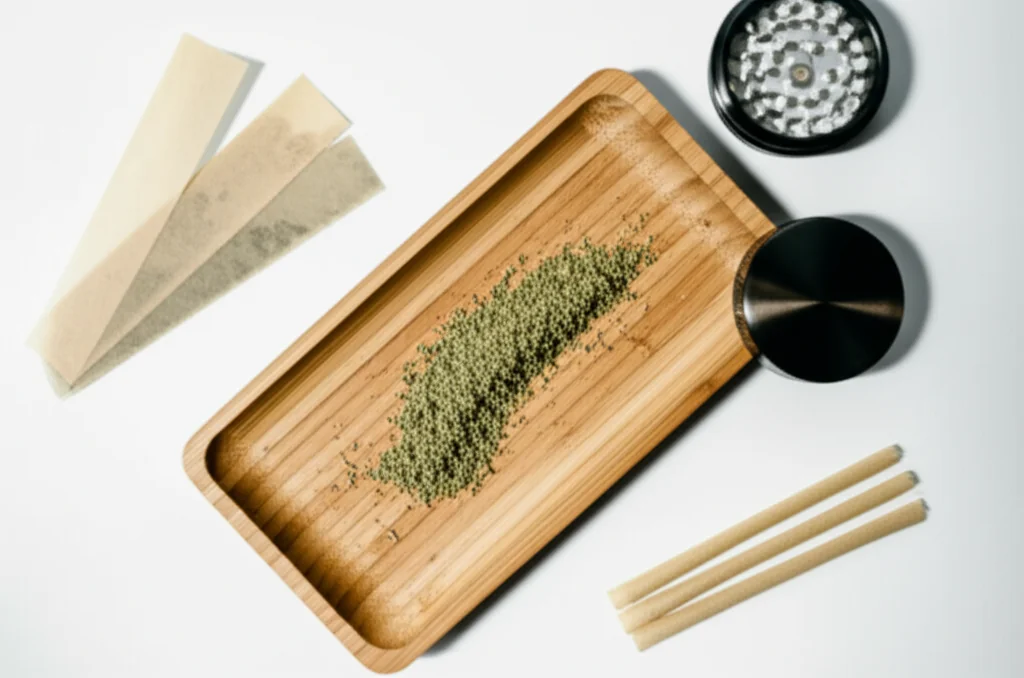
يحترق مفصل التجديف (يسمى أيضًا الجري أو النفق) بشكل غير متساو من جانب واحد ، مما يؤدي إلى إهدار القنب وخلق ضربات قاسية. يعلمك هذا الدليل كيفية إصلاح التجديف أثناء التدخين ومنع حدوثه في المقام الأول.
إجابة سريعة
لإصلاح مفصل التجديف: قم بترطيب الجانب سريع الاحتراق باللعاب لإبطائه ، أو تدوير المفصل بشكل متكرر أثناء التدخين ، أو حرق الورق الزائد بعناية على الجانب السريع. منع التجديف عن طريق توزيع القنب بالتساوي ، والتدحرج بإحكام ، والطحن جيدًا ، وتجنب الرياح.
ما هو التجديف؟
طيور مجاعةيحدث عندما يحترق أحد جانبي المفصل بشكل أسرع من الآخر ، مما يؤدي إلى خلق نمط حرق غير متساوٍ يشبه الزورق أو القارب.
مرئي:
- جانب واحد احترق بشكل كبير
- الجانب الآخر لا يزال لديه ورق / كرز سليم
- يخلق "عداء" - خط حرق سريع يسافر إلى جانب واحد
- يبدو أن شخصًا ما نحت زورقًا من مفصلك
نتيجة: ضياع القنب ، دخان قاسي ، إحباط
منع التجديف بمنتج مطحون بالتساوي باستخدام أصفة [ طاحونةمن Munchmakers] (https://munchmakers.com/product-category/custom-grinders/). لتطبيق نصائح استكشاف الأخطاء وإصلاحها ،مدونة GrassCityيغطي قضايا التدخين الشائعة.
لماذا المفاصل الزورق
السبب الأول: توزيع القنب غير المتكافئ (الأكثر شيوعًا)
المشكلة:
- حشيش من جهة أكثر من الآخر
- فجوات أو جيوب هوائية
- كتل كثيفة في بعض المناطق
كيف تسبب التجديف:
- يحترق الجانب الكثيف بشكل أبطأ (المواد أكثر)
- يحترق الجانب المتناثر بشكل أسرع (مقاومة أقل)
- يخلق حرقًا غير متساوٍ
السبب الثاني: ضيق درفلة غير متسق
المشكلة:
- ملفوفة أكثر إحكاما على جانب واحد
- بقع فضفاضة في المفصل
- ضغط غير متساو أثناء التدحرج
كيف تسبب التجديف:
- المناطق الرخوة تحصل على المزيد من الأكسجين
- المزيد من الأكسجين = حرق أسرع
- المناطق الضيقة تحترق بشكل أبطأ
السبب رقم 3: عدم توازن الرطوبة
المشكلة:
- اللعاب على جانب واحد من الختم
- القنب الرطب من جانب واحد
- القنب المجفف بشكل غير متساو
كيف تسبب التجديف:
- يحترق الجانب الرطب بشكل أبطأ
- يحترق الجانب الجاف بشكل أسرع
- يخلق عداء على الجانب الجاف
السبب رقم 4: السيقان والقطع
المشكلة:
- قطع كبيرة أو ينبع في طحن
- حجم طحن غير متسق
- القطع تخلق فجوات
كيف تسبب التجديف:
- السيقان لا تحترق بشكل جيد
- القطع تخلق قنوات جوية
- كثافة المواد غير المتكافئة
السبب رقم 5: الرياح وتدفق الهواء
المشكلة:
- التدخين في الخارج في الريح
- مروحة تهب على المفصل
- تعريض الهواء غير المتكافئ
كيف تسبب التجديف:
- الجانب المواجه للرياح يحصل على المزيد من الأكسجين
- يحترق بشكل أسرع
- يخلق زورقًا ثابتًا
إصلاحات فورية (أثناء التدخين)
الإصلاح رقم 1: رطب اللعاب
متى تستخدم: زورق في مرحلة مبكرة (بدأت للتو)
كيف:
1. لعق إصبعك
2. ترطيب الجانب سريع الاحتراق (العداء)
3. هذا يبطئ هذا الجانب مؤقتًا
4. الجانب الآخر يلحق بالركب
نصيحة للمحترفين: لا تفرط في البلل أو المفصل يصبح منديًا
الإصلاح رقم 2: التدوير والانتفاخ
متى تستخدم: منع الزورق أو التجديف الخفيف
كيف:
1. نفث
2. تدوير المفصل 90-180 درجة
3. خذ النفخة التالية من الوضع المتناوب
4. استمر في الدوران كل 2-3 نفث
لماذا يعمل: حتى التعرض للهواء من جميع الجوانب
الإصلاح رقم 3: حرق العداء
متى تستخدم: التجديف الشديد (جانب واحد للأمام)
كيف:
1. أشعل الورقة بعناية فقط على الجانب السريع
2. احرقه مرة أخرى ليتناسب مع الجانب البطيء
3. لا تحرق الحشيش
4. تفجير حتى عندما
تحذير: تقنية متقدمة ، من السهل حرق نفسك أو إهدار القنب
الإصلاح رقم 4: الرماد الاستراتيجي
متى تستخدم: زورق معتدل مع رماد طويل
كيف:
1. الرماد الجانب سريع الاحتراق أولاً
2. اتركي بطيئة في الحرق ل1-2 نفث إضافي
3. ثم الرماد هذا الجانب
4. يخلق تأثير المساء
الوقاية: تقنيات الدرفلة
الوقاية رقم 1: التوزيع حتى
خطوة حرجةفي منع الزوارق:
1. طحن جيد ومتسق- لا ينبع ولا ينبع
2. توزيع بالتساويعلى طول الورقة بالكامل
3. اضغط وهزالمفصل على شكل لتسوية القنب
4. فحص بصري- يجب أن تبدو كثافة موحدة
جرب: قبل الختم ، انظر إلى المفصل من الجانب - يجب أن يكون القنب مستويًا وليس غير متوازن
الوقاية رقم 2: ضيق ثابت
كيفية التدحرج بإحكام:
1. استخدم كلتا يديكمع ضغط متساوي
2. لفة من مرشح إلى طرفالحفاظ على نفس الضغط
3. لا تفرط في تشديد نهاية واحدةوقلص اخرى
4. اختبار السحبقبل الختم - يجب أن يكون لديه مقاومة ثابتة
مقارنة: يجب أن تشعر وكأنها أسطوانة ثابتة واحدة ، وليس نمط ضيق ضيق
الوقاية رقم 3: طحن الجودة
تقنية المطحنة:
- طحن لمدة 10-15 ثانية (وليس 3-5)
- اقلب المطحنة عدة مرات
- تحقق من الاتساق - يجب أن يكون رقيقًا وليس مكتنزًا
- إزالة السيقان قبل الطحن
بديل كسر اليد:
- تفكك جيد جدا
- إزالة جميع السيقان
- أكثر استهلاكا للوقت ولكن فعالة
الوقاية رقم 4: التعبئة المناسبة
بعد التدحرج ولكن قبل التدخين:
1. حزمة من الحافةبلطف
2. اضغط على المفصل على الطاولةلتسوية القنب
3. حزم مرة أخرىإذا لزم الأمر
4. قصد: ثابت ، حتى الكثافة طوال
لا تفعل ذلك: الحزم الزائدة (يقيد تدفق الهواء ، يسبب مشاكل)
الوقاية رقم 5: بيئة خاضعة للرقابة
ظروف التدخين المثالية:
- في الداخل أو منطقة خارجية هادئة
- لا ريح أو مراوح
- تدوير المفصل بشكل طبيعي أثناء التدخين
- لا تصمد دائمًا بنفس الطريقة
تجنب:
- أيام عاصفة (الزورق المضمون)
- تدفق الهواء المروحة المباشرة
- عقد المفصل نفس المنصب طوال الوقت
الوقاية من الزوارق المتقدمة
طريقة ربع دورة
أثناء التدخين:
- بعد كل نفخة ، اقلب المفصل 90 درجة
- يخلق حتى التعرض للحرق
- يصبح تلقائيًا مع الممارسة
لماذا يعمل: لا يوجد جانب واحد يبقى مواجهًا للرياح أو مهيمنًا
التفتيش المسبق للضوء
قبل الإضاءة:
1. تمسك بالضوء- تحقق من وجود بقع كثيفة (مناطق أغمق)
2. يشعر بالكتل- إعادة التوزيع إذا وجدت
3. اختبار السحب- يجب أن يكون لديه مقاومة ثابتة
4. مسح مرئي- يجب أن تكون متماثلة
إذا لاحظت القضايا: افتحها وأعد لفها. أفضل من التجديف.
مسائل اختيار الورق
أوراق أقل احتمالا للزورق:
- أوراق أرز رقيقة (عناصر، OCB)
- قنب عالي الجودة (أسود نيء)
- الماركات المحترقة
أوراق أكثر عرضة للزورق:
- أوراق لب الخشب السميك
- الماركات الرخيصة غير المتناسقة
- أوراق منكهة (طلاء غير متساو)
سيناريوهات التجديف المشتركة
السيناريو: "زوارق دائمًا على نفس الجانب"
تشخيص الداء: أنت تمسكها بنفس الطريقة في كل مرة
حلول: تدور بوعي أثناء التدخين ، بالتناوب الذي يحمل المفصل
السيناريو: "الزوارق في نهاية الفلتر"
تشخيص الداء: ضيق عند طرف ، فضفاض عند الفلتر أو الرطوبة من الفم
حلول:
- لفة مرشح نهاية أكثر إحكاما
- لا تفرط في لعق منطقة التصفية
- ارسم بلطف أكثر (أقل رطوبة من الفم)
السيناريو: "الزوارق في المنتصف"
تشخيص الداء: جيب هوائي أو بقعة فضفاضة في المنتصف
حلول:
- حزم بعناية أكبر
- اضغط على المفصل قبل التدخين لتستقر في المنتصف
- عند التدحرج ، انتبه إلى القسم الأوسط
السيناريو: "الزوارق في الخارج في مهب الريح"
تشخيص الداء: التعرض للرياح
حلول:
- مفصل كوب باليد لمنع الرياح
- وجه بعيدا عن الريح
- ابحث عن بقعة محمية
- تدور بشكل متكرر
هل التجديف خطير؟
No، التجديف هو مجرد مزعج وليس ضار.
مخاوف الناس:
- "هل أضيع الحشيش؟" - نعم ، بشكل ملحوظ
- "هل هي أقسى؟" - نعم ، حرق غير متساوٍ = ضربات قاسية
- "هل هذا يعني أنني لا أستطيع التدحرج؟" - ليس بالضرورة ، قد تكون مجرد شروط
القضية الحقيقية: القنب الضائع وتجربة التدخين السيئة وليس السلامة
التجديف مقابل الجري مقابل الأنفاق
طيور مجاعة: حرق جانبي (المصطلح الأكثر شيوعًا)
مائع: نفس التجديف
نفق: يحترق المركز بشكل أسرع من الخارج (مشكلة مختلفة)
يغطي هذا الدليل: التجديف والجري (نفس الشيء)
متى تعيد التدحرج
إذا كانت مفاصلك تتعرض لشدة شديدةفي أول نفث:
علامات لإعادة التدوير:
- زورق في أول 25٪ من المفاصل
- حرق متفاوت شديد (أكثر من 1 سم)
- لا يمكن إصلاحه مع التخميد / الدوران
- إهدار الكثير من القنب
كيفية الإنقاذ:
1. افتح المفصل المتبقي بعناية
2 حفظ القنب
3. فيما يتعلق ب -لف بشكل صحيح
4. أفضل من التدخين المفصلي ضعيف
لا تكن عنيد: في بعض الأحيان تكون إعادة التدحرج هي الخيار الذكي
تمرين تمرين: اختبار حرق مثالي
اختبر تحسين التدحرج الخاص بك:
1. لفة مفصلبعناية مع جميع تقنيات الوقاية
2. الدخان في بيئة خاضعة للرقابة (في الداخل ، لا رياح)
3. لا تدور عمدًا - دعها تحترق بشكل طبيعي
4. معرفة ما إذا كان الزوارق
النتائج:
- لا زورق: تقنية الدرفلة الخاصة بك صلبة
- قارب معتدل: يحتاج إلى تحسين ولكنه مقبول
- زورق شديد: ممارسة خطوات الوقاية أكثر
قصد: حرق طبيعي بدون زورق ، لا حاجة للدوران
نصائح للمحترفين
نصيحة رقم 1: معظم "التجديف" هو في الواقع مجرد توزيع غير متكافئ أثناء التدحرج. إصلاح 90٪ من الزوارق عن طريق توزيع أفضل.
نصيحة رقم 2: التناوب أثناء التدخين يجب أن يكون عادة. حتى المفاصل المثالية تستفيد من الدوران.
نصيحة رقم 3: طحن الجودة أكثر مما تعتقد. استثمر الوقت في طحن ثابت.
نصيحة رقم 4: إذا كانت المفاصل دائمًا تتجول على نفس الجانب ، فلديك انحياز متداول. تعويض بوعي.
نصيحة رقم 5: أوراق الأرز تتكتل أقل من لب الخشب (تحرق أبطأ ، بشكل متساوٍ).
هذا الدليل للأغراض التعليمية. تختلف قوانين القنب حسب الولاية القضائية.
Step 1:
Step 2:
Step 3:
Step 4:
Step 5:
Step 6:
Frequently Asked Questions
زورق المفاصل بسبب التوزيع غير المتكافئ للقنب ، والتدحرج السائب ، والسيقان / القطع في الطحن ، أو هبوب الرياح على جانب واحد ، أو عدم توازن الرطوبة. الإصلاح عن طريق التوزيع بالتساوي ، والتدحرج بشكل أكثر إحكامًا ، وطحن أدق ، والتدخين في ظروف هادئة.
Related Guides
Rolling Paper Sizes Explained: 1 1/4, King Size, and More
Comprehensive guide about rolling paper sizes explained: 1 1/4, king size, and more. Learn everything you need to know with expert tips and detailed instructions.

Best Rolling Papers for Beginners: Complete Buying Guide 2026
Discover the best rolling papers for beginners including RAW, Zig-Zag, and OCB. Learn about sizes, materials (rice vs hemp vs wood pulp), and which papers are easiest to roll with.
Clear Rolling Papers: Are Cellulose Papers Worth It?
Comprehensive guide about clear rolling papers: are cellulose papers worth it?. Learn everything you need to know with expert tips and detailed instructions.