

أنابيب الفلفل: التاريخ والأنواع وكيفية الاستخدام

Emma Chen
Glass Specialist
أنابيب الفلفل: التاريخ والأنواع وكيفية الاستخدام
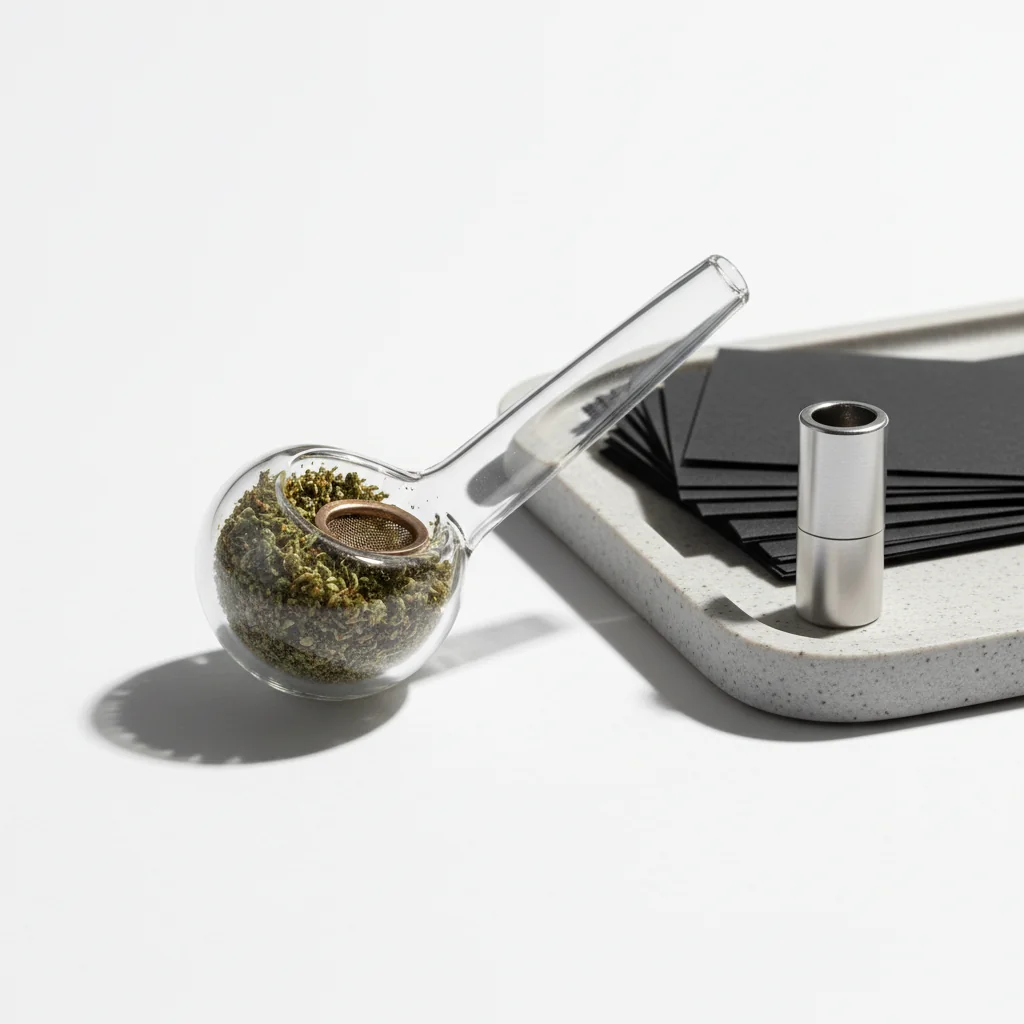
الفلفل هو أحد أقدم أجهزة تدخين القنب ، حيث تمتد جذوره إلى آلاف السنين إلى الهند والشرق الأوسط. لا يزال تصميم الأنبوب المستقيم هذا شائعًا اليوم بسبب بساطته وسهولة نقله. يغطي هذا الدليل تاريخ وأنواع وتقنية مناسبة.
إجابة سريعة
البرد هو أنبوب مخروطي مستقيم بدون ثقب من الكربوهيدرات ، وعادة ما يتم تثبيته عموديًا ومدخنًا عن طريق الحجامة حوله. استخدم Chillums في الأصل من قبل الرجال المقدسين الهندوس (Sadhus) ، وهو يقدم أغاني قوية وتحمل المزيد من الحشيش أكثر من الضاربين. قم بتعبئة الطرف الضيق ، والضوء أثناء الاستنشاق من خلال الأيدي المقببة ، وواضح في 1-3 يسحب.
ما هو البرد؟
التصميم:
- شكل أنبوب مستقيم (لا توجد منحنيات)
- مخروطي - أوسع في نهاية الوعاء ، أضيق عند لسان الفم
- لا ثقب الكربوهيدرات
- عادة 3-5 بوصات
- تصميم بسيط قديم
الاسمتأتي من الكلمة الهندية "chilam" ، التي تصف كلاً من الغليون وفعل التدخين منه.
للحصول على إكسسوارات التدخين عالية الجودة ، تحقق مناختيار أنابيب Munchmakers. لتاريخ وثقافة القنبويكيبيديايوفر خلفية مفصلة عن استخدام البرد التقليدي.
الفرق الرئيسي من الضاربين: يحمل Chillums 2-5 ضربات من الحشيش ، بينما يحمل الضاربون واحدًا فقط. البرد أكبر قليلاً وأكثر جوهرية.
تاريخ البرد
أصول قديمة
الهند - مكان الميلاد:
- تستخدم لآلاف السنين
- دخن (الهندوس المقدسين) دخن الفلفل في الممارسة الروحية
- مرتبطة بعبادة اللورد شيفا
- أصلا مصنوع من الطين
- لا يزال يستخدم اليوم في الاحتفالات التقليدية
الشرق الأوسط:
- تنتشر عبر طرق التجارة
- اعتمدها الصوفيون
- جزء من ثقافة الحشيش
الاستخدام التقليدي
أهمية روحية:
- تعتبر مقدسة في التقاليد الهندوسية
- تستخدم في التأمل والصلاة
- مشترك في دوائر الطقوس
- لم يوجه أحدا إلى أي شخص (يعتبر عدم احترام)
المواد التقليدية:
- الطين (الأكثر شيوعًا تاريخيًا)
- حجر (دائم، ثقيل)
- الخشب (الاختلافات الإقليمية)
التبني الحديث
1960-70:
- اكتشف المسافرون الغربيون قشعريرة في الهند
- احتضنتهم ثقافة الهبي
- أصبح رمزا للثقافة المضادة
اليوم:
- متوفر في الزجاج والمعادن والسيليكون
- مشهورة بالضربات القوية والمباشرة
- جامعي البحث عن أصول الطين المصنوعة يدويًا
أنواع الفلفل
صلصات الطين التقليدية
ميزات:
- صناعة يدوية، في كثير من الأحيان في الهند
- المواد المسامية تبرد الدخان
- تجربة أصيلة
- هش نسبيا
الأفضل لـ:تقليدي، جامعي، استخدام احتفالي
السعر:5-30 دولار حسب الحرفية
فلفل زجاجي
ميزات:
- النسخة الحديثة الأكثر شعبية
- طعم ناعم ونظيف
- ألوان وتصميمات مختلفة
- هش إذا سقط
الأفضل لـ:الاستخدام اليومي، أولوية النكهة
السعر:10-50 دولار
حجارة
ميزات:
- ثقيل ومتين
- دخان بارد بشكل طبيعي
- غالبا ما تكون منحوتة بشكل زخرفي
- الحجر الصابوني الأكثر شيوعًا
الأفضل لـ:جامعي، تركيز المتانة
السعر:15-60 دولار
الفلفل المعادن
ميزات:
- تقريبا غير قابل للتدمير
- يمكن أن تصبح ساخنة
- سهل التنظيف
- مدمجة، وصديقة للجيب
الأفضل لـ:السفر ، التعامل الخشن
السعر:10-25 دولار
فلفل سيليكون
ميزات:
- غير قابل للكسر
- سيليكون مقاوم للحرارة
- سهل التنظيف
- ألوان مختلفة
الأفضل لـ:مستخدمين خرقاء، استخدام خارجي
السعر:10-20 دولار
كيفية استخدام البرد
الطريقة التقليدية (الأيدي المقلصة)
لماذا يد الكوب:
- يخلق غرفة لجمع الدخان
- يبرد الدخان قبل الاستنشاق
- تقنية تقليدية من الهند
- المزيد من تدفق الهواء المتحكم فيه
تقنية:
1. امسك البرد عموديًا (وعاءًا يشير إلى الأعلى)
2. كوب كلتا اليدين حول نهاية لسان الحال
3. قم بإنشاء غرفة محكمة الغلق مع راحة يدك
4. ضع الشفاه على الفتحة بين الإبهام
5. أشعل الجزء العلوي أثناء الاستنشاق من خلال الأيدي المقعرة
6. يتجمع الدخان في حجرة اليد ثم يستنشق
هذه الطريقةيوفر ضربات أكثر برودة وأكثر نعومة من اللمس المباشر.
الطريقة الحديثة (مباشرة)
نهج أبسط:
1. امسك البرد أفقيًا أو بزاوية صعودية طفيفة
2. ضعي نهاية ضيقة للشفاه
3. نهاية وعاء خفيف أثناء الاستنشاق
4. واضح وزفير
أقل تقليديةولكن يعمل بشكل جيد لمعظم المستخدمين.
التحميل خطوة بخطوة
الخطوة 1: طحن القنب
اتساق متوسط. الغرامة على ما يرام بالنسبة للكريمات - فهي تحتوي على غرف أكبر من الضاربين.
الخطوة 2: قم بتعبئة نهاية الوعاء
اضغط على القنب في نهاية الوعاء الأوسع. العبوة متوسطة الضيق - يجب أن تبقى في مكانها ولكن تسمح بتدفق الهواء.
الخطوة 3: اختياري - استخدم الحجر
تستخدم أشجار البرد التقليدية حجرًا صغيرًا مسطحًا موضوعة في قاع الوعاء. هذا يمنع القنب من السقوط. غالبًا ما تحتوي أشجار البرد الزجاجية الحديثة على شاشات مدمجة أو ممرات ضيقة بدلاً من ذلك.
الخطوة 4: اختبار تدفق الهواء
اسحب الهواء من خلال الإضاءة. يجب أن يكون لديه مقاومة ولكن لا يتم حظره.
شيلوم مقابل ضارب واحد
اختر الفلفل عندما:تريد المزيد من القنب لكل حمولة ، وتقدر التاريخ ، وتفضل عددًا أقل من عمليات إعادة التحميل.
اختر الضارب عندما:أقصى قدر من التقدير المطلوب ، جرعات صغيرة ، ضربات فردية سريعة.
أنبوب التشيلي مقابل ملعقة
عرض chillumsالبساطة وقابلية النقل.عرض أنابيب ملعقةمزيد من التحكم في كل ضربة من خلال الكربوهيدرات.
تنظيف البرد الخاص بك
قشر الزجاج والمعادن
الطريقة:
1. نقع في كحول الأيزوبروبيل (91٪) لمدة 30 دقيقة
2 أضف الملح الخشن إذا كان شديد الراتنج
3. استخدم منظف الأنابيب للفرك من خلال الأنبوب
4. اشطفيه جيدا بالماء الساخن
5. تجفيف الهواء تمامًا
التردد:بعد كل استخدامات قليلة للحصول على أفضل نكهة.
فلفل الطين
اعتبارات خاصة:
- الطين مسامي - يمتص بعض البقايا
- لا تنقع لفترات طويلة (يمكن أن تتشقق)
- استخدم منظفات الأنابيب والتعرض لفترة وجيزة للكحول
- بعض التقليديين لا ينظفون بالكامل أبدًا - قم ببناء "التوابل"
حجارة
مثل الزجاجلكن الحجر متين بما يكفي لتنظيف أكثر عدوانية.
نصائح لجلسات أفضل
نصيحة 1: تحديد المواقع الرأسية
حافظ على الوعاء مدببًا أثناء الاستخدام. تحافظ الجاذبية على القنب في مكانه وتمنع الرماد من السحب.
نصيحة 2: لا تفرط في حزمها
حرق البرد حار. التعبئة الزائدة تجعل هذا الأمر أسوأ. حزم متوسطة تحترق بشكل متساوٍ.
نصيحة 3: استخدم فتيل القنب
يمكن أن يؤثر السائل الخفيف على النكهة في التصميم المصاب مباشرة. يوفر Wheel Wick طعمًا أنظف.
نصيحة 4: دعها تبرد
يمكن أن يصبح الزجاج وخاصة البرد المعدني ساخنًا مع الاستخدامات المتتالية. توقف بين الأحمال.
نصيحة 5: جرب طريقة اليدين
حتى لو شعرت بالحرج في البداية ، فإن التقنية التقليدية توفر دخانًا أكثر برودة بشكل ملحوظ.
مشاكل البرد الشائعة
المشكلة: سقوط القنب
السبب:لا يوجد حجر أو شاشة ، تغليف فضفاض للغاية
الإصلاح:استخدم الحجر الصغير في الأسفل، أو احزمه بثبات أكبر، أو اشترِ الفلفل مع شاشة مدمجة
المشكلة: قاسية جدا
السبب:مسار دخان قصير ، حرارة مباشرة
الإصلاح:استخدم طريقة اليد المقلية ، وخذ ضربات أصغر ، واترك البرد يبرد بين الاستخدامات
المشكلة: حرق غير متساو
السبب:التعبئة غير المتكافئة
الإصلاح:قم بحزم أكثر اتساقًا، استخدم الطحن للحصول على حجم جسيمات ثابت
المشكلة: يسخن
السبب:استخدام متتالي، مادة رقيقة
الإصلاح:انتظر بين الضربات ، اختر زجاجًا أو حجرًا أكثر سمكًا
آداب ثقافية
إذا كنت تستخدم تقليديا:
- لا توجه البرد إلى أي شخص
- مرر باحترام (لا ترمي أو ترمي)
- في إعدادات المجموعة، غالبًا ما يحصل الشخص الذي يقوم بتحميل على الضربة الأولى
- غطي الوعاء بقطعة قماش أو يد في حالة عدم الاستخدام
آداب حديثة:
- نظف قبل المشاركة
- حزمة طازجة للاستخدام الجماعي
- تحذير الآخرين إذا كان الجو حارًا
شراء البرد
علامات جيدة:
- سلس ، حتى التجويف
- لسان حال مصقول
- حتى سمك الجدار
- لا شقوق أو رقائق
ضع في اعتبارك:
- مادة (زجاج للذوق، معدن من أجل المتانة)
- الحجم (3 "لإمكانية النقل ، 5" للدخان الأكثر برودة)
- نظام الشاشة (مضمن مقابل الحجر)
نطاق السعر:10-25 دولارًا للزجاج عالي الجودة ، 20-50 دولارًا للحجر ، 5-15 دولارًا للطين
الأسئلة الشائعة
ما الفرق بين الفلفل والضرب؟
Chillums هي أنابيب مخروطية أكبر تحتوي على 2-5 ضربات ذات أصول قديمة في الهند. الضاربون هم أصغر حجمًا وأضيق الأنابيب التي تحمل ضربة واحدة بالضبط. تستخدم chillums تقنية اليد التقليدية بينما يتم تدخين الضاربين مباشرة مثل السجائر.
هل القشعريرة بها ثقوب الكربوهيدرات؟
لا ، لا تحتوي البردات التقليدية على ثقب من الكربوهيدرات. هذا جزء من تصميمهم البسيط والمستقيم. يعني عدم وجود الكربوهيدرات أنه لا يمكنك "تنظيف" الأنبوب مثل أنبوب الملعقة - فأنت تستنشق حتى ينضج الوعاء.
لماذا يطلق عليه البرد؟
يأتي الاسم من الكلمة الهندية "chilam" ، التي تصف كلاً من الأنبوب وفعل التدخين منه. نشأ التصميم في الهند منذ آلاف السنين واستخدمه Sadhus (الرجال المقدسون الهندوس) في الممارسة الروحية.
هذا الدليل للأغراض التعليمية. تختلف قوانين القنب حسب الولاية القضائية.
Frequently Asked Questions
Chillums هي أنابيب مخروطية أكبر تحتوي على 2-5 ضربات ذات أصول قديمة في الهند. الضاربون هم أصغر حجمًا وأضيق الأنابيب التي تحمل ضربة واحدة بالضبط. تستخدم chillums تقنية اليد التقليدية بينما يتم تدخين الضاربين مباشرة مثل السجائر.
لا ، لا تحتوي البردات التقليدية على ثقب من الكربوهيدرات. هذا جزء من تصميمهم البسيط والمستقيم. يعني نقص الكربوهيدرات أنه لا يمكنك مسح الأنبوب مثل أنبوب الملعقة - فأنت تستنشق حتى ينضج الوعاء.
يأتي الاسم من الكلمة الهندية chilam ، التي تصف كلاً من الغليون وفعل التدخين منه. نشأ التصميم في الهند منذ آلاف السنين واستخدمه Sadhus (الرجال المقدسون الهندوس) في الممارسة الروحية.
Related Guides
Best Pipes for Flavor: Materials and Designs That Taste Best
Comprehensive guide about best pipes for flavor: materials and designs that taste best. Learn everything you need to know with expert tips and detailed instructions.
Bubbler vs Dry Pipe: Which is Better for You?
Comprehensive guide about bubbler vs dry pipe: which is better for you?. Learn everything you need to know with expert tips and detailed instructions.
Dugout and One-Hitter Systems: The Ultimate Portable Setup
Comprehensive guide about dugout and one-hitter systems: the ultimate portable setup. Learn everything you need to know with expert tips and detailed instructions.