

تشريح بونغ: كل جزء موضح

Emma Chen
Glass Specialist
تشريح بونغ: كل جزء موضح
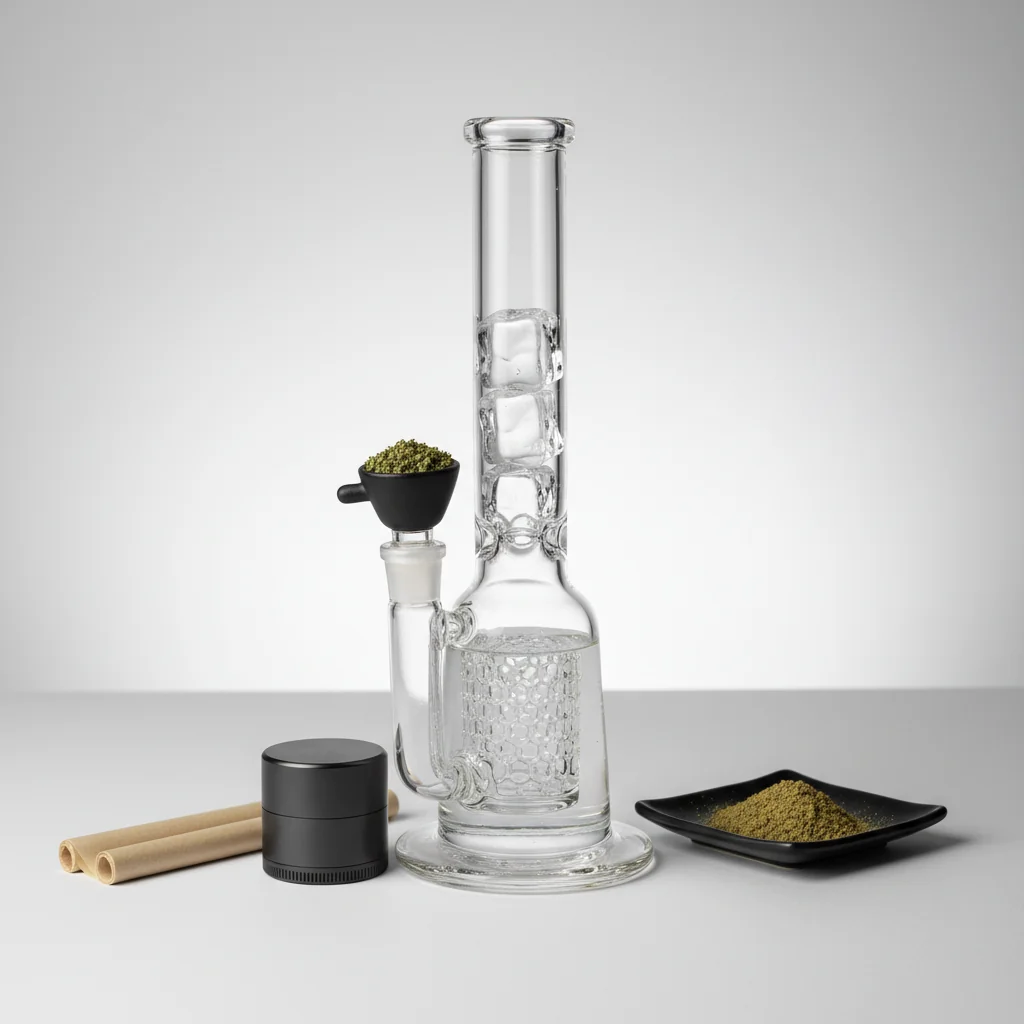
يساعدك فهم تشريح بونغ الخاص بك على استخدامه بشكل صحيح واستكشاف المشكلات وإصلاحها واتخاذ قرارات شراء مستنيرة. قم بإقران بونغ الخاص بك بجودة[ طاحونة عشب] (https://munchmakers.com/product-category/4-piece-grinders/) للحصول على أفضل النتائج. سواء كنت تشتري أول بونغ أو تقوم بترقية مكوناتك ، فإن معرفة ما يفعله كل جزء أمر ضروري.
إجابة سريعة
يحتوي البونغ الأساسي على هذه الأجزاء الأساسية: أنبوب (غرفة رئيسية) ، قاعدة (خزان ماء) ، لسان حال (فتحة علوية) ، جذع سفلي (أنبوب يمتد إلى الماء) ، ووعاء (حيث تحزم الحشيش). تشمل المكونات الاختيارية أجهزة تنقيط (ترشيح إضافي) ،جليدالماسكون (تبريد الدخان) ، واقيات الرش ، وصائد الرماد.
الأجزاء الأساسية (كل بونغ لديها هذه)
الأنبوب / الغرفة
الجسم الرأسي الرئيسي للبونغ حيث يتجمع الدخان قبل أن تستنشق.
وظيفة:
- يحمل الدخان قبل تطهيره
- يسمح لك برؤية كثافة الدخان
- يحتوي على ميزات اختيارية مثل أجهزة الترشيح وصائد الجليد
المواد:
- زجاج: الأكثر شيوعا ، طعم نظيف ، هش -معايير ASTMتحديد جودة البورسليكات
- سيليكون: متين ومحمول ومرن
- أكريليك: صديقة للميزانية، متينة، ليست مثالية للذوق
- خزف: فنية ، ثقيلة ، هشة
حجم المسائل:
- أنابيب صغيرة (8-10 بوصة): أقل دخانًا ، أسهل في التنظيف ، محمول
- أنابيب متوسطة (12-16 بوصة): توازن النعومة والتطبيق العملي
- أنابيب كبيرة (18 بوصة +): الحد الأقصى لسعة الدخان، الاستخدام المنزلي فقط
القاعدة
الجزء السفلي الذي يحتفظ بالماء ويوفر الثبات.
الأشكال الشائعة:
قاعدة الوعاء:
- عريضة، مثلثة (مثل دورق المختبر)
- التصميم الأكثر استقرارًا
- يحمل المزيد من الماء = المزيد من الترشيح
- من الصعب تنظيف الزوايا
أنبوب مستقيم:
- اسطوانة موحدة من الأعلى إلى الأسفل
- أقل استقرارًا (يحتاج إلى سطح مستو)
- أسهل في التنظيف
- قدرة أقل على المياه
قاعدة مستديرة:
- شكل فقاعة أو كرة
- استقرار معتدل
- المظهر الفني
- قدرة مياه معتدلة
وظيفة:
- يحتفظ بالماء للترشيح
- يوفر الاستقرار
- قاعدة أكبر = المزيد من الماء = مبردات أكثر سلاسة
اللسان
الفتحة في الأعلى حيث تضع شفتيك.
أنواع التصميم:
لسان حاله :
- حواف تنحني للخارج
- ختم مريح
- التصميم الأكثر شيوعًا
حافة مستقيمة:
- ينتهي الأنبوب بدون توهج
- يجد البعض أقل راحة
- يمكن إضافة مرفق لسان حال
الرقبة المثنية:
- الانحناءات الأنبوبية قبل لسان حال
- زاوية للراحة
- يحافظ على الماء بعيدًا عن الوجه
- يقلل من مخاطر الرش
الاستخدام السليم:
- الشفاه تذهب قليلاً داخل الفتحة
- إنشاء ختم محكم
- لا تلف الشفاه بالخارج (يفقد الختم)
الجذع السفلي
أنبوب يمتد من مفصل الوعاء إلى الماء. هذا هو المكان الذي يحدث فيه السحر.
وظيفة:
- يحمل الدخان من وعاء إلى الماء
- يخلق فقاعات ترشح الدخان
- الثقوب / الشقوق في الأسفل تحدد حجم الفقاعة
أنواع:
أسفل الجذع القياسي:
- أنبوب بسيط مع فتحة واحدة أو فتحات قليلة
- الترشيح الأساسي
- سهل التنظيف
- الأكثر تكلفة
منتشر أسفل الجذع:
- فتحات أو ثقوب متعددة في الأسفل
- يخلق فقاعات أصغر = مزيد من الترشيح
- يضرب أكثر سلاسة
- أغلى ثمناً
أسفل الجذعية:
- مدمج في بونغ (غير قابل للإزالة)
- بعض البراعم العلمية تستخدم هذا
- لا يمكن ترقيته أو تنظيفه بسهولة
التحجيم:
- حجم المفصل: 14 مم أو 18 مم (يجب أن تتطابق مع بونغ)
- طول: تقاس بالبوصة ، تختلف حسب بونغ
- يجب أن تمتد حوالي 1 بوصة في الماء عند ملء بونغ
ملاحظة بديلة:
السفن السفلى قابلة للاستهلاك - تنكسر أو تنسد. الحصول على قطع غيار هو ذكي.
الوعاء / الشريحة
القطعة القابلة للإزالة حيث تحزم الحشيش. تسمى أيضًا "الشريحة" لأنك تنزلقها للداخل والخارج.
وظيفة:
- يحمل القنب
- قابل للإزالة لإزالة الدخان (معظم البراعم)
- يمكن الترقية لتجارب مختلفة
أنواع:
وعاء قياسي:
- شكل مخروطي أو كوب بسيط
- أحجام مختلفة (شخصية إلى حفلة)
- الأكثر شيوعًا
وعاء الشاشة:
- شاشة مدمجة تمنع الحطام
- أغلى ثمناً
- يدوم لفترة أطول بدون شاشات بديلة
وعاء الدفع:
- ينزلق في الداخل بدلاً من الرفع
- أقل شيوعًا
أحجام المفاصل:
- 14 ملم: الأكثر شيوعا ، بونغ متوسطة
- 18 ملم: بونغس كبيرة ، أوعية أكبر
- 10 مم: بونغ صغير / صغير (نادر)
يجب أن يتطابق الوعاء مع حجم مفصل بونغ(أو استخدم المحول).
المكونات الاختيارية (بونج محسن)
آلات النقر (Percs)
أجهزة ترشيح إضافية داخل الأنبوب تعمل على تبريد الدخان وترشيحه.
كيف يعملون:
اجبار الدخان على الماء أو الثقوب الصغيرة عدة مرات، مما يخلق المزيد من الفقاعات والترشيح.
الأنواع الشائعة:
شجرة بيرك:
- ذراعين متدليين
- كل ذراع لها شقوق
- فلترة جيدة، مظهر مبدع
- يمكن أن تكون هشة
عسل النحل:
- قرص مسطح مع العديد من الثقوب
- يخلق فقاعات صغيرة
- ترشيح كبير
- دائم نسبيًا
دش رأس:
- أنبوب مع شقوق تشير إلى الأسفل
- مثل دش (ومن ثم الاسم)
- ترشيح جيد
- سهل التنظيف
التوربينات/الإعصار بيرك:
- يخلق تأثير ماء دوار
- نداء مرئي + تصفية
- سحب معتدل
perc المضمنة:
- أنبوب أفقي مع فتحات
- في كثير من الأحيان في قاعدة من البونج العلمي
- انتشار ممتاز
مصفوفة بيرك:
- يجمع بين أنماط PERC متعددة
- أقصى ترشيح
- سحب أعلى
المقايضة:
المزيد من percs = ضربات أكثر سلاسة ولكن أكثر سحبًا (أصعب في السحب) وأصعب في التنظيف.
ماسك الجليد / قرصة الجليد
الشقوق أو القرصات في الأنبوب التي تحمل مكعبات الثلج فوق الماء.
وظيفة:
- يبرد الثلج الدخان أثناء مروره
- النتائج في أغاني أكثر برودة وسلاسة
- مفيد بشكل خاص للضربات الكبيرة
التصميم:
- عادة 3 فتحات زجاجية صغيرة
- وضعت فوق خط الماء
- بعض البونجات لديها غرف ماسكة الثلج بدلاً من ذلك
باستخدام الثلج:
- أضف مكعبات الثلج بعد ملء الماء
- إسقاط من خلال لسان حال
- سوف يمسكون بالشقوق
- استبدلهم عندما يذوبون
ملاحظة:
ليس كل البونجات لديها ماسكات ثلج. إنها ميزة اختيارية للبحث عنها عند الشراء.
حارس رش الماء
قبة أو حاجز فوق الماء يمنع الماء من الوصول إلى فمك.
وظيفة:
- ينتفخ الماء أثناء الاستنشاق الصعب
- يسمح بمستويات أعلى من الماء
- شائع في البونج مع عدة percs
التصميم:
- قبة صغيرة مع فتحات للدخان
- وضعت فوق الماء / بيرك
- الدخان يمر، لا يمكن للماء
ماسك الرماد
مرفق خارجي يمسك الرماد والحطام قبل أن يدخل البونغ الرئيسي.
وظيفة:
- دخان ما قبل
- يحافظ على نظافة بونغ الرئيسية لفترة أطول
- غالبًا ما يضيف مرشوعًا آخر
مرفق:
- ينتقل بين الوعاء وأسفل الجذع
- لها غرفة مياه خاصة بها
- يطابق حجم مشترك بونغ
المقايضة:
يضيف التعقيد والارتفاع ولكنه يقلل بشكل كبير من تردد التنظيف الرئيسي.
ثقب الكربوهيدرات
ثقب على جانب الأنبوب (بدلاً من وعاء قابل للإزالة).
وظيفة:
- تغطية أثناء الاستنشاق
- تحرير الغرفة لمسح
- بديل للوعاء القابل للإزالة
أكثر شيوعًا في:
- أبسط / أرخص بونغ
- الأنابيب (الميزة القياسية)
- تصاميم قديمة
تستخدم معظم الأطباق الزجاجية الحديثة أوعية قابلة للإزالة بدلاً من ذلك.
كيف تعمل الأجزاء معًا
العملية:
1. زود بماءيملأ القاعدة ويغطي الشقوق السفلية
2. كرة خشبيةيحمل الحشيش ، جالسًا في المفصل فوق الجذع
3. أنت وعاء الإضاءة ويستنشق من خلال لسان حال
4. أسفل الجذعيحمل الدخان تحت الماء، مما يخلق فقاعات
5. الضعاف(إن وجد) أضف المزيد من الترشيح
6. يرتفع الدخان من خلالركب قطار
7. ماسك الجليد(إن وجد) يبرد الدخان أكثر
8. تقوم بإزالةكرة خشبية(أو تحرير الكربوهيدرات) للمسح
9. حارس رش الماء(إن وجد) يمنع دخول الماء إلى الفم
10. يدخل الدخان إلى الرئتينقاطع طريق
ترقية بونغ الخاص بك
العديد من المكونات قابلة للتبادل:
ترقيات سهلة:
- وعاء أفضل (حجم مختلف، وشملت الشاشة)
- منتشر أسفل الجذع (يستبدل المعيار)
- ماسك الرماد (يضيف)
مطابقة المفاصل:
يجب أن يتطابق كل شيء مع حجم مفصل بونغ (14 مم أو 18 مم عادةً).
محولات:
السماح بخلط الأحجام:
- 18 ملم بونغ مع وعاء 14 ملم؟ استخدام محول 18 مم إلى 14 مم
- يفتح خيارات الملحقات
الاختيار على أساس الأجزاء
للمبتدئين:
- أنبوب أو دورق بسيط
- معيار أسفل الجذع (ربما منتشر)
- لا يوجد percs أو perc واحد
- سهل الاستخدام والتنظيف
للحصول على نتائج سلسة:
- آلات تهوية متعددة
- ماسك الجليد
- منتشر أسفل الجذع
- أكثر تعقيدًا ولكن أكثر سلاسة
لسهولة التنظيف:
- تصميم أنبوب مستقيم
- الحد الأدنى من percs (أو تصميمات سهلة التنظيف مثل قرص العسل)
- أسفل الجذعية
- تجنب percs الشجرة المعقدة
للمتانة:
- زجاج سميك (5 مم +)
- سيليكون (إن لم يكن زجاج)
- تصميم بسيط (أجزاء هشة أقل)
- قاعدة الكنبة (الأكثر استقرارًا)
هذا الدليل للأغراض التعليمية. تختلف قوانين القنب حسب الولاية القضائية.
Frequently Asked Questions
يمكن القول إن الجذع هو الأكثر أهمية - فهو يربط الوعاء بالماء ويخلق الترشيح. بدون جذع مناسب ، لن يتم تصفية الدخان. يحدد مستوى الماء (الذي يغطي الجذع السفلي) جودة الترشيح.
Related Guides
Ash Catcher Guide: Keep Your Bong Clean Longer
Complete guide to ash catchers for bongs: what they do, types including dry and percolator ash catchers, joint sizes and angles, how to use and clean them, and how to choose the right one.

Ash Catchers: What They Do and Why Use One
Learn what ash catchers do, how they keep your bong clean, and whether you need one. Understand different types, how to choose the right size, and maintenance tips.
Beaker vs Straight Tube Bongs: Which Style is Better?
Comprehensive guide about beaker vs straight tube bongs: which style is better?. Learn everything you need to know with expert tips and detailed instructions.