

صيادو الرماد: ماذا يفعلون ولماذا يستخدمون واحدًا

Emma Chen
Glass Specialist
صيادو الرماد: ماذا يفعلون ولماذا يستخدمون واحدًا
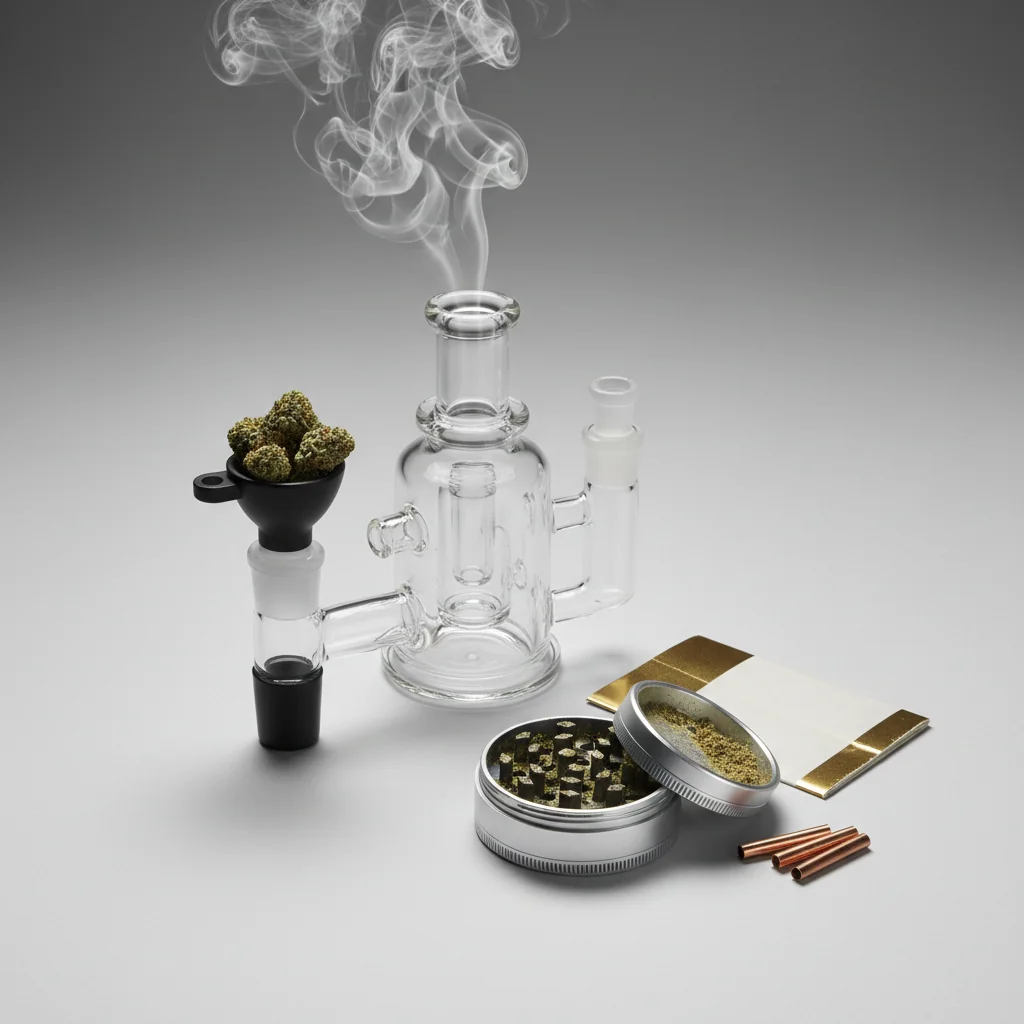
ماسكات الرماد هي ملحقات بونغ التي تحبس الحطام قبل أن تدخل غرفة المياه الرئيسية الخاصة بك. إنها تحافظ على نظافة بونغ بشكل ملحوظ مع الحد الأدنى من الجانب السلبي. استخدام الجودةمطاحن مخصصةيساعد على إنتاج حتى الرماد. يشرح هذا الدليل كيفية عمل رماد الرماد ، والأنواع المختلفة المتاحة ، وما إذا كان المرء يستحق الإضافة إلى الإعداد الخاص بك.
إجابة سريعة
يعلق ماسكات الرماد على مفصل بونغ الخاص بك ويلتقطون الرماد والراتنج والحطام قبل أن يصلوا إلى بونغ.النتيجة: تقوم بتنظيف ماسك الرماد بشكل متكرر (سهل) بدلاً من بونغ بالكامل (أصعب). أبلغ المستخدمون عن تنظيف بونغ 3-4 أضعاف في كثير من الأحيان. متوفر في أنماط جافة ورطبة بزوايا مختلفة.
كيف يعمل الماسك الرماد
يجلس ماسك الرماد بين الوعاء ومفصل بونغ ، مما يخلق غرفة ترشيح إضافية.
المسار الذي يأخذه الدخان:
1. وعاء (مرفق بصائد الرماد)
2 غرفة ماسك الرماد (شلالات الحطام / المرشحات هنا)
3. أسفل الجذع (الدخان النظيف يدخل بونغ)
4. غرفة بونغ ماء
5. رئتيك
ما يتم القبض عليه:
- جزيئات الرماد
- حطام النبات
- تراكم الراتنج
- الجسيمات الصغيرة
ما يمر عبر:
- دخان
- بخار
- معظم تربينات
أنواع رماد الرماد
صيد الرماد الجاف
لا ماء ، مجرد غرفة فارغة.
الايجابيات:
- الحد الأدنى من السحب المضاف
- لا شيء ينسدل
- أسهل في الحفاظ عليها
- خفيف
- أرخص خيار
سلبيات:
- فلترة أقل من الرطب
- الدخان لا يبرد
- مجرد اصطياد الحطام
أفضل: المستخدمين الذين يريدون النظافة دون تغيير ضرباتهم
صيد الرماد الرطب (أساسي)
يحتوي على الماء مثل بونغ صغير.
الايجابيات:
- ترشيح إضافي
- دخان أكثر برودة
- اشتعلت المزيد من الحطام
- أفضل من الجافة
سلبيات:
- يضيف بعض السحب
- يمكن أن يتسرب الماء إذا كان مائلًا
- أثقل
- الماء يحتاج إلى تغيير
أفضل: معظم المستخدمين يبحثون عن النظافة + النعومة
صيد الرماد
ماسك الرماد الرطب مع ثقب مدمج.
الايجابيات:
- أقصى ترشيح
- ضربات سلسة جدا
- تبريد كبير
- عظيم للزهور القاسية
سلبيات:
- تمت إضافة معظم السحب
- أثقل خيار
- يصعب تنظيفها
- أغلى
- مبالغة في بعض الاجهزة
أفضل: عشاق النعومة ، المستخدمين مع بونغ بسيط يريدون المزيد من الترشيح
حجم المفصل وزاوية
الحصول على الملاءمة المناسبة أمر بالغ الأهمية - فالحجم أو الزاوية الخاطئة تسبب مشاكل.
حجم المفصل
تطابق حجم مفصل بونغ الخاص بك:
- 14 ملم بونغ= 14 ملم رماد ماسك
- 18 ملم بونغ= 18 ملم رماد ماسك
إذا كان غير متطابق ، استخدم المحولات (يضيف ارتفاعًا محرجًا).
زاوية مشتركة
هذا هو المكان الذي يرتكب فيه العديد من المشترين أخطاء.
زاوية 45 درجة: الأكثر شيوعًا لبونجات الكوب. الوعاء يجلس بزاوية ملحوظة.
زاوية 90 درجة: شائع للبونجات الأنبوبية المستقيمة. الوعاء يجلس في وضع مستقيم تقريبًا.
استخدام زاوية خاطئة:
- يضع الضغط على مفصل الزجاج
- قد لا يجلس الماسك الرماد بشكل صحيح
- خطر الكسر
- يبدو محرجا
كيف تتحقق من الزاوية الخاصة بك: انظر إلى وعاءك الحالي عند الجلوس. هل تتأرجح للخلف (45 درجة) أم مستقيمة تقريبًا (90 درجة)؟
هل يعمل صيادو الرماد حقًا؟
إجابة مختصرة: نعم بالتأكيد.
تظهر تقارير المستخدم باستمرار:
- بونغ ماء يبقى أنظف 3-4x أطول
- تراكم أقل من الراتنج في غرفة بونغ
- يبقى أسفل الجذع أنظف
- لا تسد القواقع بهذه السرعة
- فرق بصري كبير بعد الجلسات
المفاضلة: تقوم بتنظيف ماسك الرماد في كثير من الأحيان ، لكن تنظيفه أسهل بكثير من تنظيفه من البونغ الكامل.
تركيب
الخطوة 1: تحقق من التوافق
تحقق من حجم المفصل ومطابقة الزاوية. إذا كان خطأ، ارجع قبل الاستخدام.
الخطوة 2: إضافة الماء (إذا كان نمط رطب)
املأ ماسك الرماد حتى يتم تغطية قاع الجذع بحوالي نصف بوصة. لا تفرط في ملء - سوف تتدفق إلى بونغ.
الخطوة 3: إرفاق بونغ
أدخل رماد ماسك في مفصل بونغ. يجب أن تجلس بثبات دون إجبار.
الخطوة 4: إرفاق وعاء
ضع وعاءك في مفصل ماسك الرماد. الآن لديك: وعاء ← آشلي صيد ← بونغ.
الخطوة 5: الاختبار قبل الجلسة الكاملة
خذ سحب جاف (بدون ضوء) للتحقق:
- هل هناك الكثير من السحب؟
- هل الماء يتناثر في أي مكان؟
- هل كل شيء مستقر؟
مخاوف الوزن والاستقرار
يضيف الماسك الرماد وزنًا ويغيرون نقطة توازن بونغ.
القضايا المحتملة:
مخاطر الإكثار: ماسك الرماد الثقيل على بونغ خفيف الوزن يمكن أن يجعله ثقيلًا في الأمام.
إجهاد مشترك: الوزن المعلق من المفصل يمكن أن يسبب تآكلًا أو تشققات بمرور الوقت.
معالجة التغييرات: تحتاج إلى أن تكون أكثر حذرا في التقاط بونغ.
الحلول:
- استخدم ماسك الرماد بحجم مناسب لبونغ
- ضع في اعتبارك مصائد الرماد الجاف (أخف)
- لا تستخدم على الزجاج الرقيق / الهش
- مقبض بونغ من القاعدة وليس الرقبة
تنظيف رماد الرماد
تواتر: في كثير من الأحيان من بونغ الخاص بك - هذا هو الهدف. نظف عندما ترى تراكم الحطام.
تنظيف سريع (بعد كل جلسة):
1. ماء فارغ (إذا كان نمط رطب)
2 . اضغط على الرماد السائب
3. غسل سريع بالماء الدافئ
4. تم
تنظيف عميق (أسبوعيًا أو حسب الحاجة):
1. فارغة وتفكيكها إن أمكن
2 أضف كحول الأيزوبروبيل والملح الخشن
3. هز في كيس مختوم
4. استخدم منظفات الأنابيب للبقع الصلبة
5. اشطفها جيدا
6. جفف قبل الاستخدام
أسهل بكثير من تنظيف بونغ كامل- هذه هي الفائدة الرئيسية.
اعتبارات تدفق الهواء
كل ماسك الرماد يضيف بعض السحب. كم يعتمد على النوع:
الحد الأدنى من السحب: رماد الرماد الجاف
سحب معتدل: صيد الرماد الرطب الأساسي
السحب الملحوظ: صيد الرماد
إذا كان السحب أكثر من اللازم:
- قم بالتبديل إلى ماسك الرماد الجاف
- استخدم رماد ماسك مع فتحات أكبر
- اقبلها كمقايضة للنظافة
- قم بإزالة Ash Catcher للجلسات التي تريد فيها تدفق هواء مجاني
هل يستحق كل هذا العناء من رماد الرماد؟
بالتأكيد يستحق ذلك إذا:
- أنت تكره تنظيف بونغ الخاص بك
- يحتوي بونغ الخاص بك على آلات ترشيح معقدة تسد بسهولة
- أنت تشارك بونغ الخاص بك (تزداد اتساخًا بشكل أسرع)
- تريد ضربات ونظافة أكثر سلاسة
- أنت تدخن بشكل متكرر
ربما لا يستحق ذلك إذا:
- أنت بالفعل تنظف بونغ بعد كل جلسة
- لا يحتوي بونغ الخاص بك على أجهزة رش (سهلة التنظيف على أي حال)
- أنت حساس جدًا للسحب الإضافي
- الميزانية ضيقة للغاية
- بونغ الخاص بك صغير / خفيف الوزن (مشكلات الاستقرار)
واقع السعر:
- ماسك الرماد الجاف الأساسي: 15-30 دولارًا
- ماسك الرماد الرطب الأساسي: 25-45 دولارًا
- صيد الرماد: 40-80 دولار
نظرًا لمدى سهولة جعل صيانة Bong ، يجد معظم المستخدمين العاديين لهم استثمارات جديرة بالاهتمام.
أخطاء شائعة
شراء زاوية خاطئة: الخطأ الأكثر شيوعًا. تحقق مرة أخرى قبل الشراء.
تعبئة المياه الزائدة: يؤدي إلى العودة إلى بونغ. كمية أقل من الماء أفضل.
لا تنظفه أبدًا: يهزم الغرض. يتوقف ماسك الرماد المليء بالحطام بالتصفية بشكل فعال.
استخدام على بونغ الهش: إجهاد الوزن يمكن أن يكسر المفاصل الرقيقة.
تجاهل الاستقرار: ماسك الرماد الثقيل على بونغ الخفيفة = الحوادث.
بدائل لصيد الرماد
شاشات في وعاء: شاشات معدنية أو زجاجية رخيصة تمنع الحطام. أقل فعالية من صيد الرماد ولكنه أبسط.
تغيرات مائية متكررة: تغيير الماء بعد كل جلسة يحافظ على نظافة بونغ.
جدول التنظيف العادي: تنظيف عميق أسبوعي بغض النظر عن مستوى الحطام.
مبردات مدمجة: بعض البونجات لديها غرف صيد الرماد المدمجة.
لا شيء فعال مثل ماسك الرماد المخصص ، لكنها تساعد.
حكم نهائي
يقوم صيادو الرماد بما يعدون به بالضبط - حافظ على نظافة بونغ عن طريق التقاط الحطام قبل دخوله الغرفة الرئيسية. تعتبر مقايضة التنظيف (مصيد الرماد بشكل متكرر ، نادرًا) مواتية لمعظم المستخدمين.
تطابق حجم المفصل وزاوية الخاص بك ، وفكر في حساسية السحب ، واختر جافًا مقابل رطب بناءً على تفضيلات الترشيح. بالنسبة لمعظم مستخدمي بونغ العاديين ، يعد ماسك الرماد استثمارًا ذكيًا يدفع لنفسه في وقت التنظيف المخفض.
هذا الدليل للأغراض التعليمية. تختلف قوانين القنب حسب الولاية القضائية.
Frequently Asked Questions
نعم، بشكل ملحوظ. يصطاد صيادو الرماد الحطام قبل أن يدخل غرفة بونغ الرئيسية. أبلغ المستخدمون عن تنظيف بونغ 3-4 أضعاف بشكل متكرر. يحتاج ماسك الرماد نفسه إلى تنظيف منتظم ، لكن تنظيفه أسهل بكثير من تنظيفه من البونغ الكامل.
تطابق حجم مفصل بونغ (14 مم أو 18 مم) وزاوية (45 درجة أو 90 درجة). زاوية المفصل حرجة - استخدام الزاوية الخاطئة يضع الضغط على الزجاج. تستخدم معظم أكياس الكأس 45 درجة ، بينما تستخدم الأنابيب المستقيمة 90 درجة.
نعم ، يضيفون بعض السحب لأن الدخان يمر عبر مياه إضافية. آلات صيد الرماد الجاف (بدون ماء) تقلل من هذا التأثير. إذا كنت تفضل تدفق الهواء السهل ، فاختر ماسكًا بسيطًا للرماد الجاف على جهاز رطب مبلل.
Related Guides
Ash Catcher Guide: Keep Your Bong Clean Longer
Complete guide to ash catchers for bongs: what they do, types including dry and percolator ash catchers, joint sizes and angles, how to use and clean them, and how to choose the right one.
Beaker vs Straight Tube Bongs: Which Style is Better?
Comprehensive guide about beaker vs straight tube bongs: which style is better?. Learn everything you need to know with expert tips and detailed instructions.
Best Bong Size for Beginners: Height and Volume Guide
Comprehensive guide about best bong size for beginners: height and volume guide. Learn everything you need to know with expert tips and detailed instructions.